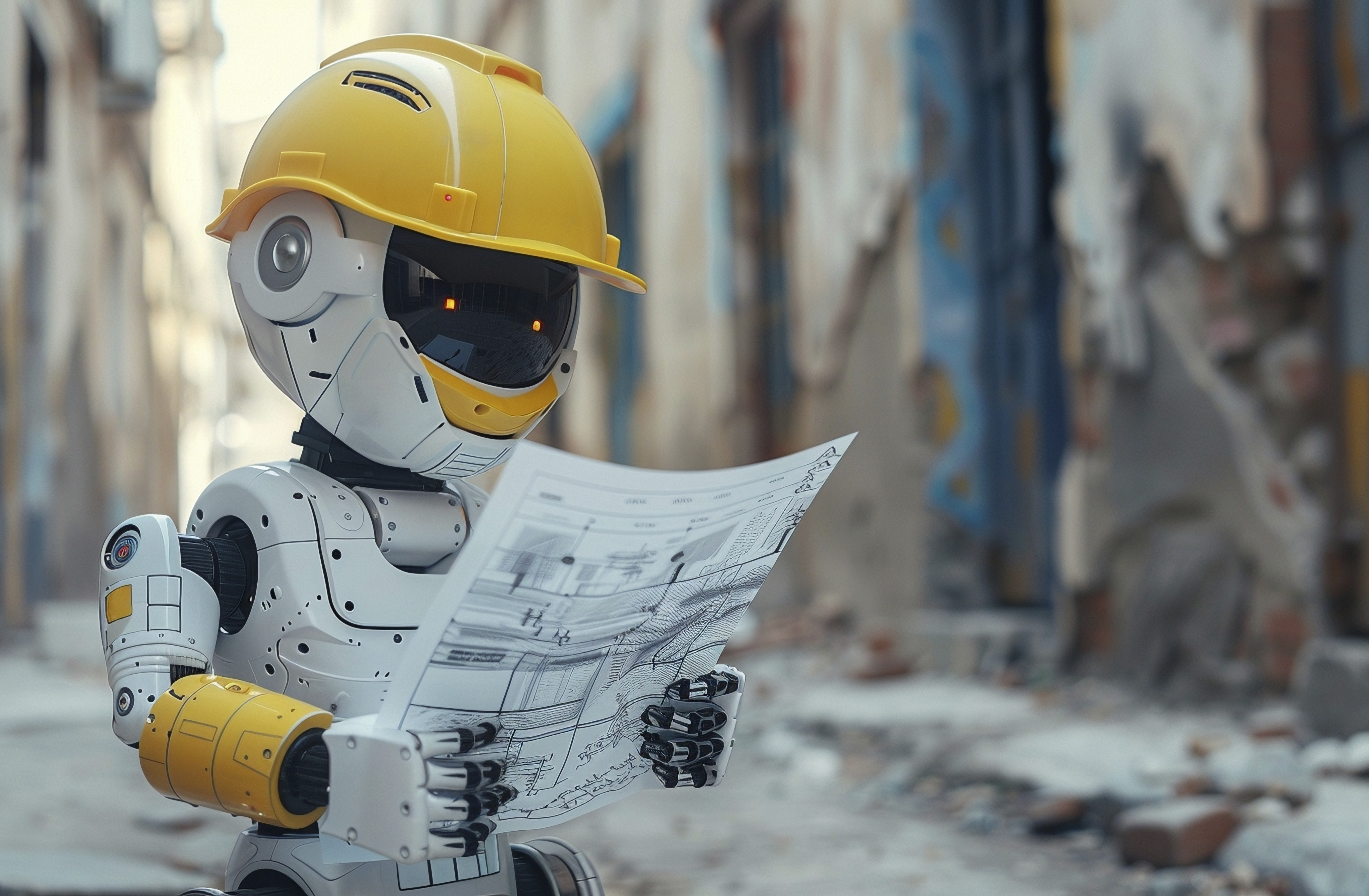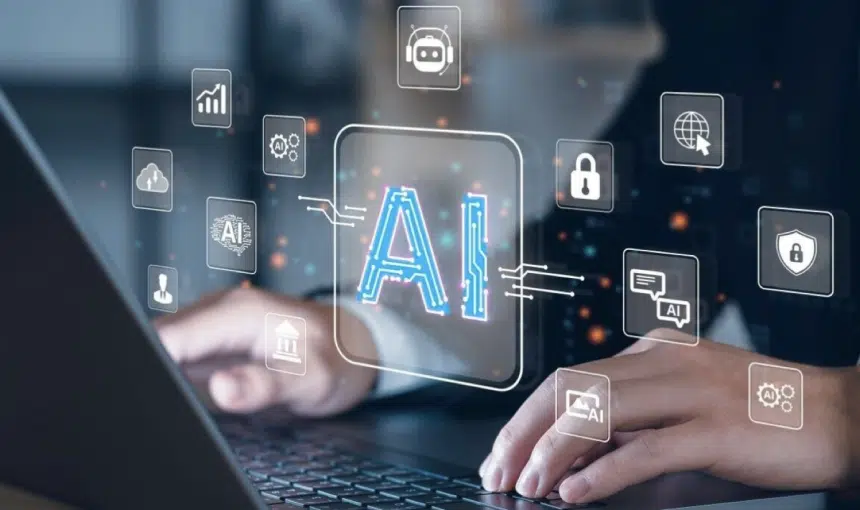

In today's workplace, Artificial Intelligence is becoming a great power as a co-worker. It's reducing repetitive tasks, improving efficiencies, and allowing employees to take more time for meaningful thinking. Hours of work now takes only minutes with Smart systems.
AI tools are creating efficiencies in businesses of all sizes and applications. They're taking on responsibility for scheduling, responding to customers, or even working through casting colossal volumes of data consistently. The overall outcome is more streamlined accelerations on work tasks.
Making Everyday Tasks Simpler
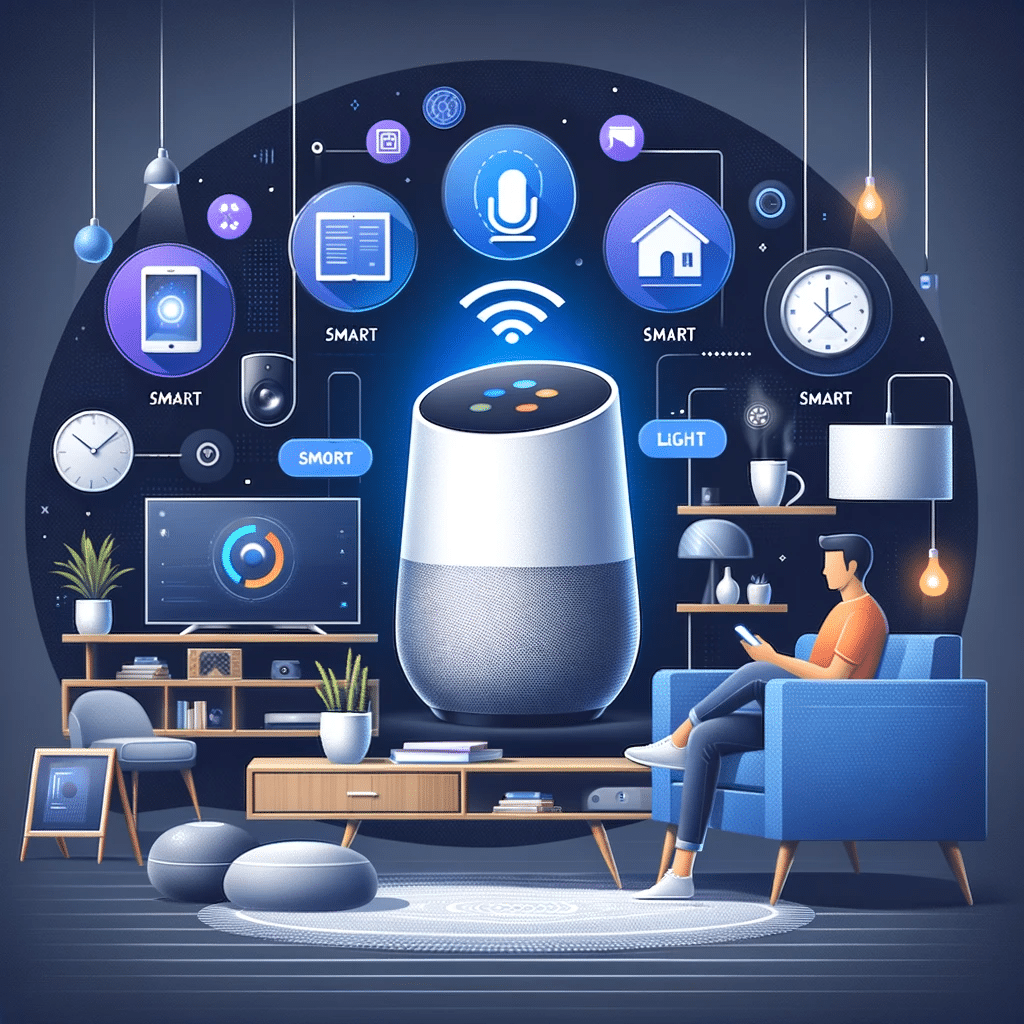
AI tools are commonplace across offices, and rustic workspaces. They're being used to schedule meetings, pull emails, suggest ways to improve time management, and allow employees to stay focused longer with less distractions from niggling duties.
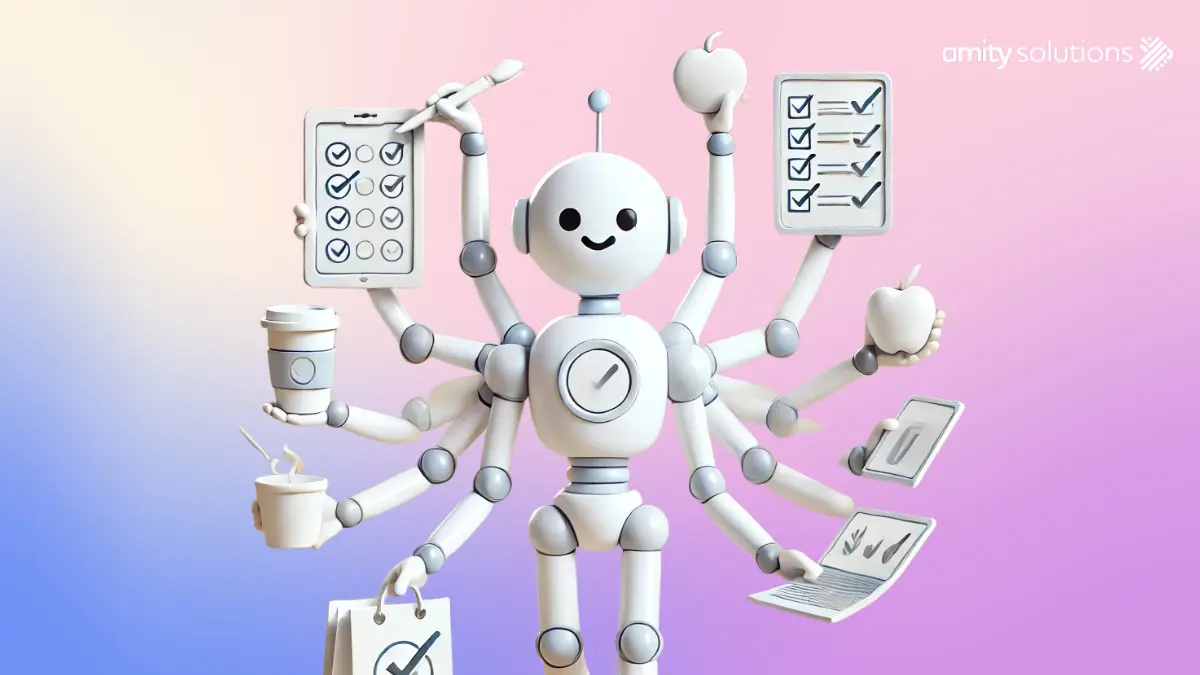
AI can support creative work too, such as in writing, designing, or brainstorming. Writers are using AI tools to draft content or produce corrected grammar, while designers take advantage of the layout and color suggestions of smart platforms. These AI tools are giving professionals the ability to overcome the inertia and start their work with more confidence.
They are starting to support research, reporting, and similar functions. Rather than spending hours searching for relevant and relative content, users can simply ask questions, and receive an instant summary of their information. This saves time, and can also provide ways for people to consider relevant facts in addition to their own analysis and also personal judgment about supporting their decision to undertake any level of action.
AI doesn't replace your work—it makes your work more significant by doing the difficult bits for you.
Smart Support for Every Industry
In medicine, AI assists physicians by analyzing test results and providing information from worldwide medical databases. This accelerates diagnosis and enhances patient care. In agriculture, intelligent machines monitor soil and climate conditions to inform planting and harvesting with less uncertainty.
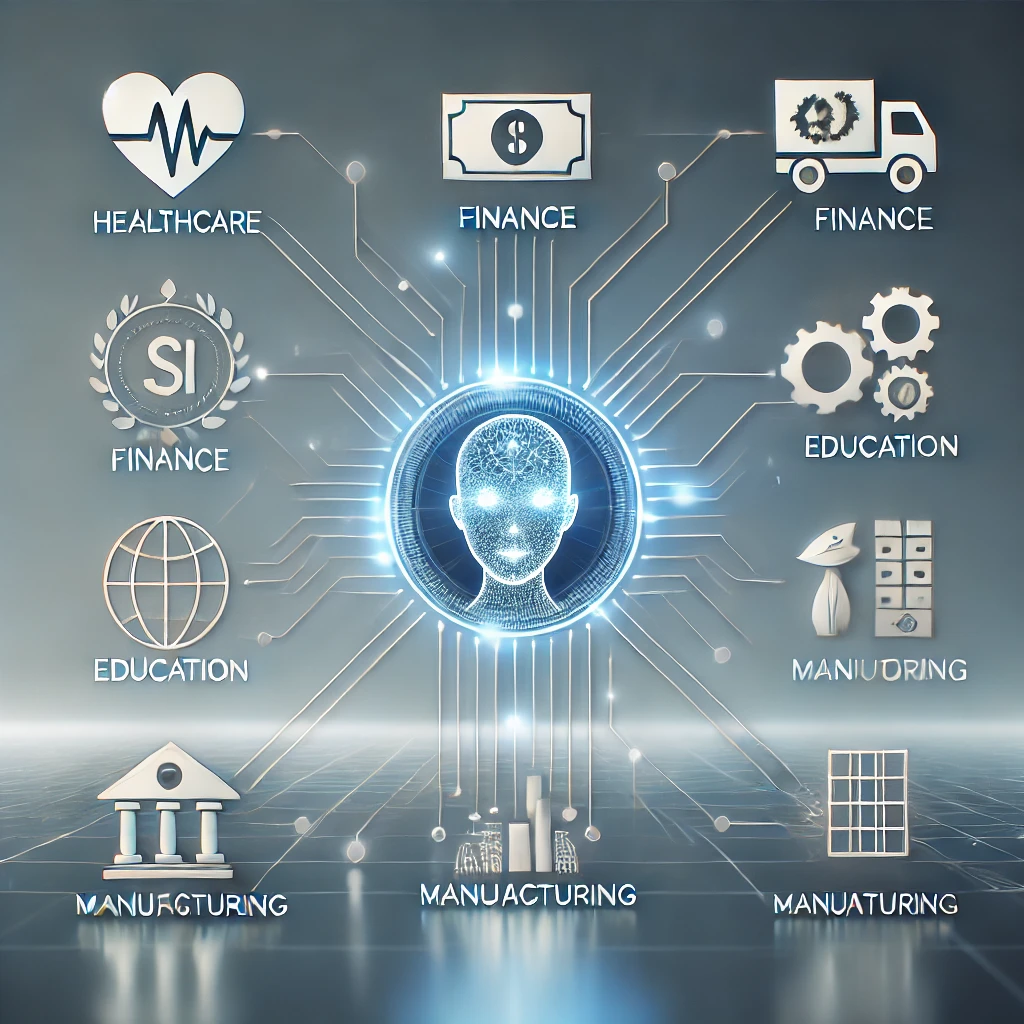
Teachers employ AI to build personal lessons for every student's requirement. It monitors learning pace and recommends improvement. In finance, AI detects fraud and assists individuals in budgeting better with straightforward tips and reminders.
Regardless of whether you are in customer service, fashion, or construction, AI is becoming your intelligent aide. It learns your work, gets better day by day, and assists in minimizing mistakes. It is more than technology; it is an integral part of the workflow.
AI assists not just by getting things done quicker but by making them smarter. AI brings simplicity, transparency, and power to all the jobs it helps with. By having AI as a collaborator, individuals are not merely working more—They are working better.
AI at Work: A Partner in Productivity
Artificial Intelligence is emerging as a great force as a colleague in the modern workplace. It's streamlining drudgery, enhancing efficiencies, and giving employees time for deep thinking. Work hours now take merely minutes with intelligent systems. From report automation to the handling of intricate logistics, AI is freeing human employees from tedious chores. This move is not one of replacement, but of redirection—towards more significant, cognitive, and human-type contributions. With the help of AI-facilitated tools, employees are relieved to innovate, resolve issues, and concentrate on what really brings value to the organization and its purpose.
AI tools are making businesses more efficient, regardless of size and application. They're taking charge of scheduling, answering customers, or even delving through gigantic amounts of data on a regular basis. The net effect is more efficient accelerations on work activities. In large enterprises, AI enables data-driven decision-making through predictive analytics. In small companies, it streamlines logistics, emails, inventory, and so on. This is what makes the playing field level—providing small companies with productivity capability once reserved for corporations. It keeps everyone, from freelancers to CEOs, able to get access to smart assistance to get work done faster and more precisely.
Artificial intelligence tools are ubiquitous in offices and rural workplaces. They're being utilized to organize meetings, fetch emails, recommend methods to optimize time management, and enable employees to maintain concentration for longer periods of time with less distraction from nagging responsibilities. Voice assistants are making appointments, inboxes are being automatically prioritized, and AI chat tools are assisting workers in writing courteous, effective responses. These minor but essential automations conserve mental effort and alleviate pressure. They spend less time micromanaging their work and more time solving meaningful problems, planning, and developing as professionals.
AI doesn't take your job—it gives your time back so you can do your job with more clarity, creativity and control
Creativity and Knowledge Work Enabled
AI can also enable creative work, for example, in writing, designing, or brainstorming. Authors are employing AI platforms to write or generate edited grammar, while designers use the platform's layout and color recommendations. Such AI platforms are giving experts the power to break past inertia and begin their work more confidently. When creatives reach a block, AI is like a jump-start, providing suggestions, templates, and editing. It's not thinking for them—it'sprovoking their process. From copy to prototype, AI is speeding up imagination, not slowing it down.

They are now beginning to assist research, reporting, and others like them. Instead of spending their time hunting for pertinent and relative content, users can merely ask questions and have an instant rundown of their information. This saves time and can also provide ways for people to consider relevant facts in addition to their own analysis and personal judgment about supporting their decision to undertake any level of action. Whether you’re preparing a pitch, drafting a report, or analyzing competitors, AI offers insights that fuel more thoughtful work. It becomes your assistant, fact-checker, and brainstorming partner all in one.
AI doesn't supplant your work—it makes your work more important by doing the hard bits for you. With the weight of monotonous tasks removed, your best thinking comes to the fore. What used to take multi-tab research now feeds into your process directly via AI integration. Teams can deliver faster deadlines, and quality increases with fewer mistakes. AI doesn't eliminate the human from work—it makes the human impact better. When the "how" is left to AI, we are left to worry about the "why." It's a partnership between purpose and efficiency, where technology complements passion and not serves as a substitute for it.
AI Across Industries
In healthcare, AI helps doctors by reviewing test results and drawing data from global medical databases. This speeds up diagnosis and improves patient care. In farming, smart machines track soil and weather conditions to guide planting and harvesting with fewer variables. These data-driven choices result in increased yields, improved food security, and reduced environmental footprint. From precision surgery to clever irrigation, AI is serving as an expert collaborator across sectors. Even in crisis or emergency situations, AI provides timely advice—making decisions quick, backed, and safe. It's not purely reactive technology—it's predictive and proactive in value.
Educators use AI to create individualized lessons for each student's need. It tracks learning speed and suggests improvement. In finance, AI identifies fraud and helps people budget more effectively through simple advice and reminders. This combination of personalization and safety makes daily systems smarter and more secure. AI is transforming classrooms into learning zones and banking into smart financial guidance. Its role in daily decision-making is becoming indispensable. The more information AI is given, the more improved it becomes—refining lessons, warnings, and suggestions. And in the process, it silently improves performance and peace of mind for users globally.
Your Clever Workplace Assistant
Whether you work in customer service, fashion, or building, AI is becoming your smart assistant. It adapts to your work, improves day by day, and helps reduce errors. It is not just technology; it is a part of the workflow. As AI learns about your job and habits, it starts to predict needs and provide solutions before they fully arise. It introduces accuracy where people might miss detail and velocity where people require assistance. AI does not merely observe—it is engaged. It is as having an indefatigable teammate that never gets distracted or drained.
AI doesn't only get things done faster but makes them smarter too. AI introduces simplicity, transparency, and might to all the tasks it assists with. Having AI as a partner, people are not only doing more—people are doing better. Intelligent systems align data for quicker insight, suggest moves that save time, and facilitate teams collaborating across departments. There is clearer communication, easier goal tracking, and real-time adapting of strategies. When the heavy analysis work is left to machines, humans can play to their strengths in emotional intelligence and strategic thinking.
As the workplace continues to transform, AI acts as a bridge between machine capability and human potential. It enables organizations to scale without having to abandon personalization. A few intelligent AI-equipped individuals can beat a large group weighed down by labor. It also ensures inclusiveness—enabling the disabled, or those not fluent in the dominant language, to contribute on an equal footing. With voice-to-text, prediction typing, or vision recognition, AI facilitates workplace equality. It's more than a productivity tool; it's an equality facilitator. When properly used, AI is a democratizing force that can be an opportunity-empowering tool for all workers, regardless of background or ability.
Working Smarter, Living Better
With increasingly digital and frenetic work, AI assists employees in taking back balance. It prevents more overtime by streamlining workflows and prevents burnout with automation. With reminders, summaries, and prioritized to-do lists, AI operates like a quiet organizer. It pushes employees toward concentration, encourages breaks, and even incorporates wellness recommendations. By doing so, it fosters a work environment that prioritizes productivity without overexertion. Employers gain increased productivity, and employees get healthier working experiences. AI is not only enhancing the workplace—it's revolutionizing the way work integrates into life. And in the transition, everyone wins.