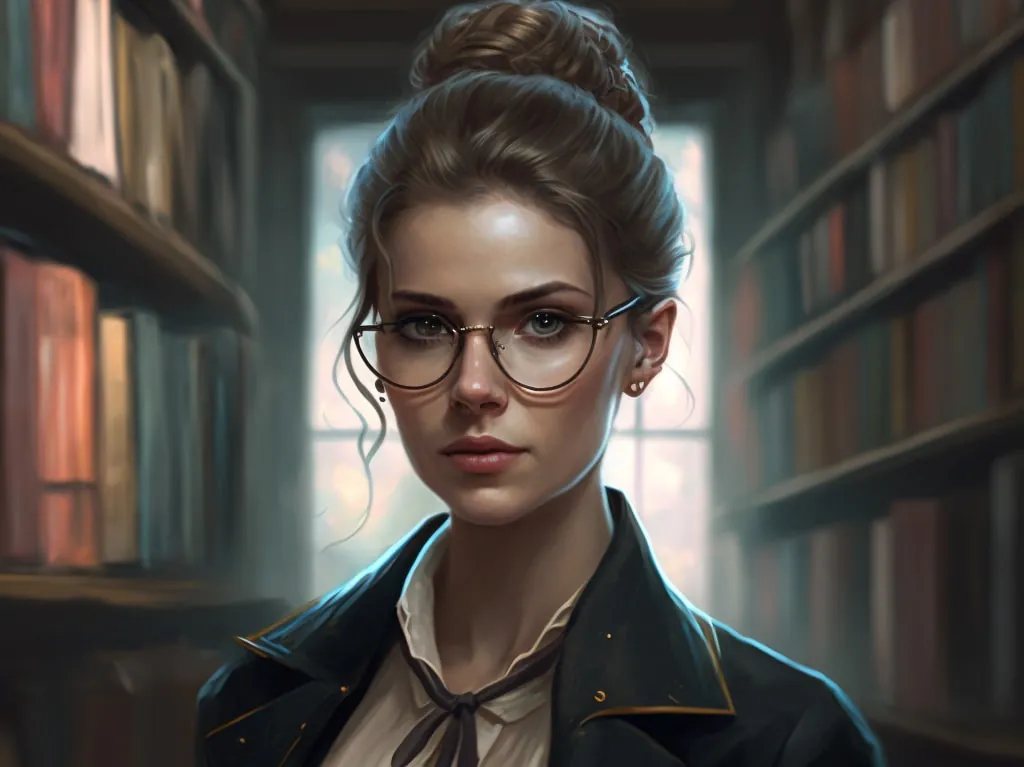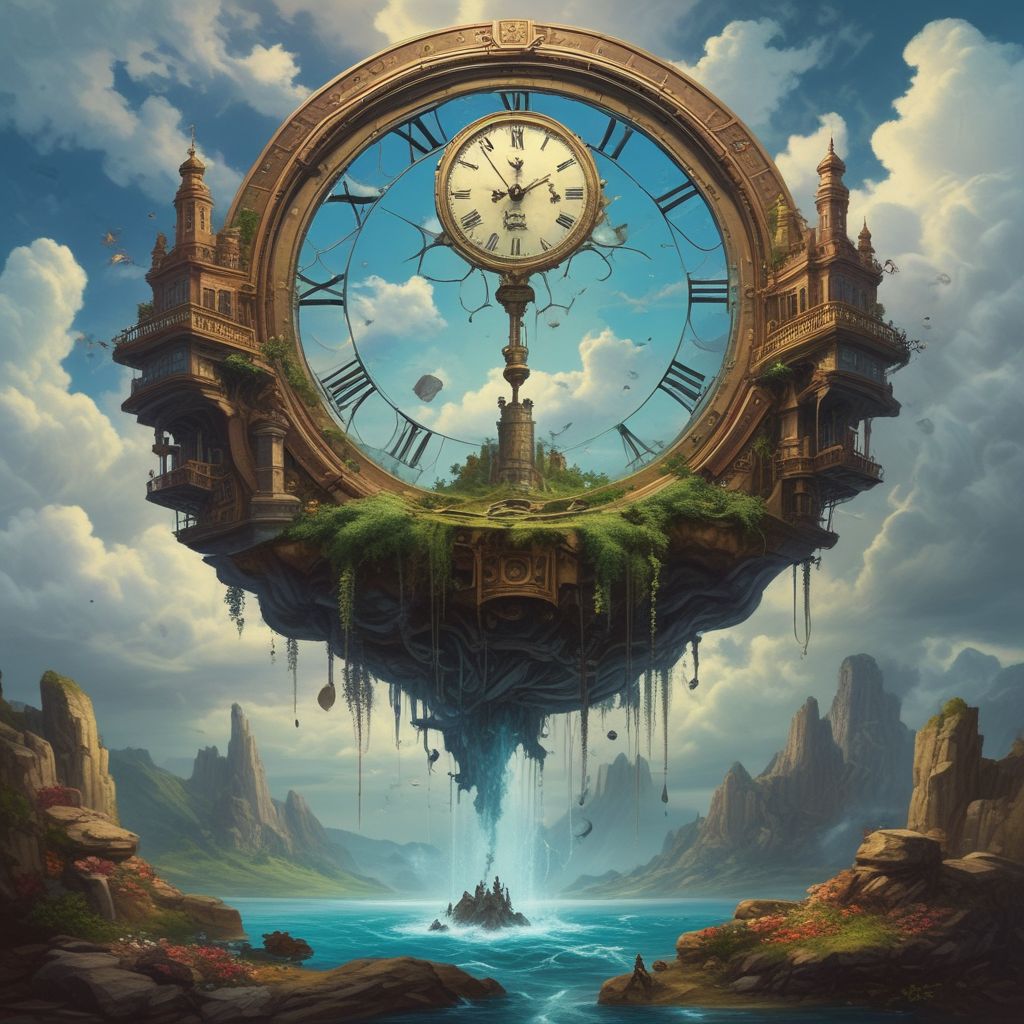
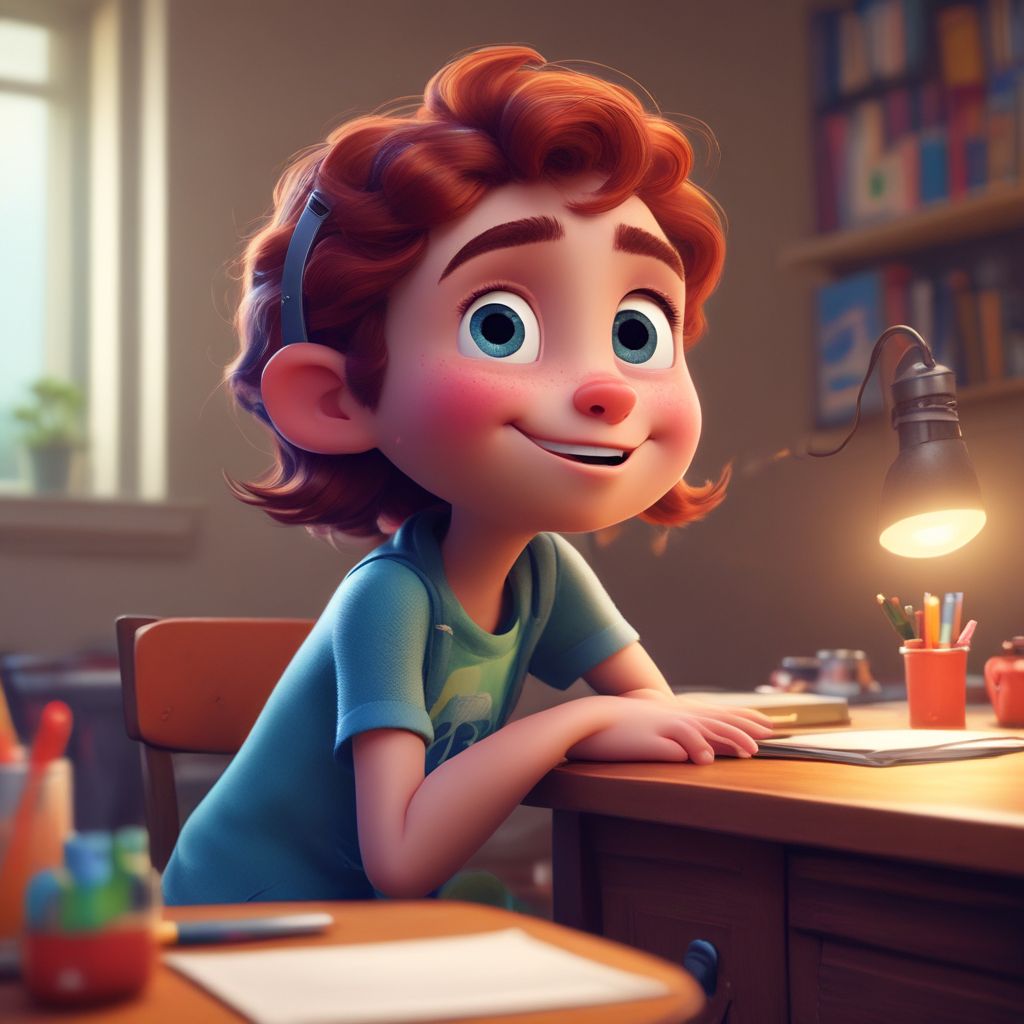
With the fast-paced digital era where content is fleeting and attention is limited, images are the key to impressing people. AI image generators are revolutionizing the way content creators craft social media content. Rather than using generic pictures or employing designers, anyone can now create unique, high-quality pictures within seconds with the aid of artificial intelligence. These devices scan through prompts or input concepts to design original artwork, backgrounds, illustrations, or product images. For influencers, small companies, or content creators, this opens up a new height of creativity and productivity. Whether you are mapping out a campaign or posting daily, AI saves you effort and time.
Why AI Image Generators Are Crucial for Social Media
The social media landscape is saturated with content, and standing out requires not only creativity but speed. AI image generators empower users to create captivating visuals on-demand, which is especially useful when deadlines are tight or budgets are limited. Unlike traditional design software, AI tools require no special skills. You can describe what you want, and the AI handles the technical part. These applications are great for creating templates, visual ideas, memes, and even story visuals specific to your space. From solo entrepreneurs to big marketing teams, AI image generators are now a must-have resource in content planning.
Selecting the Right AI Image Generator
The right AI image generator is based on your content objectives, design style, and platform requirements. Some of the tools such as DALL·E, Midjourney, and Leonardo.ai are more suited to creative and surreal imagery, while others lean towards more formalized, brand-suitable outputs such as Canva and Adobe Firefly. Be aware of whether the tool provides custom control of resolution, background removal, aspect ratio, and image style. Licensing is also a consideration—check if the tool supports commercial use if you plan to use the visuals for advertising or promotions. Ease of use, community support, and features for customization are also things to look at when deciding on a tool that meets your workflow.
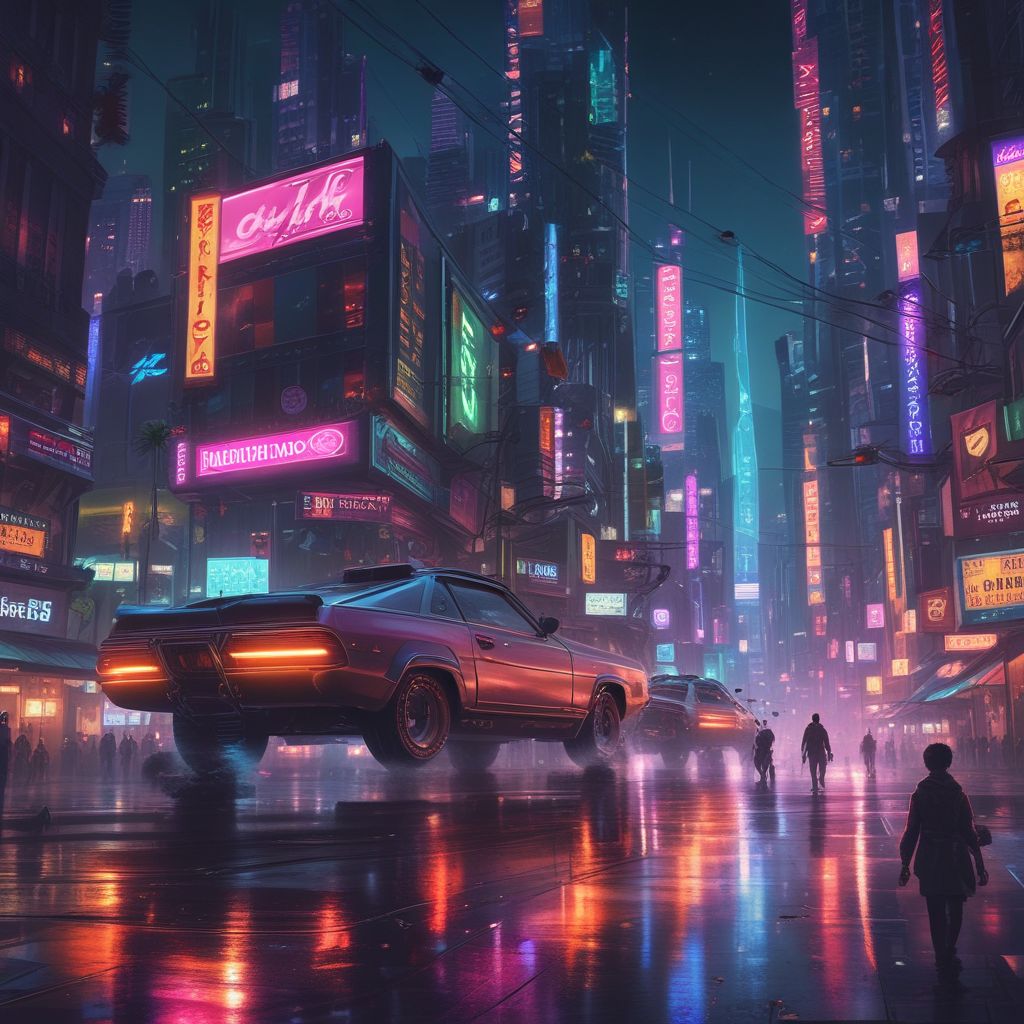
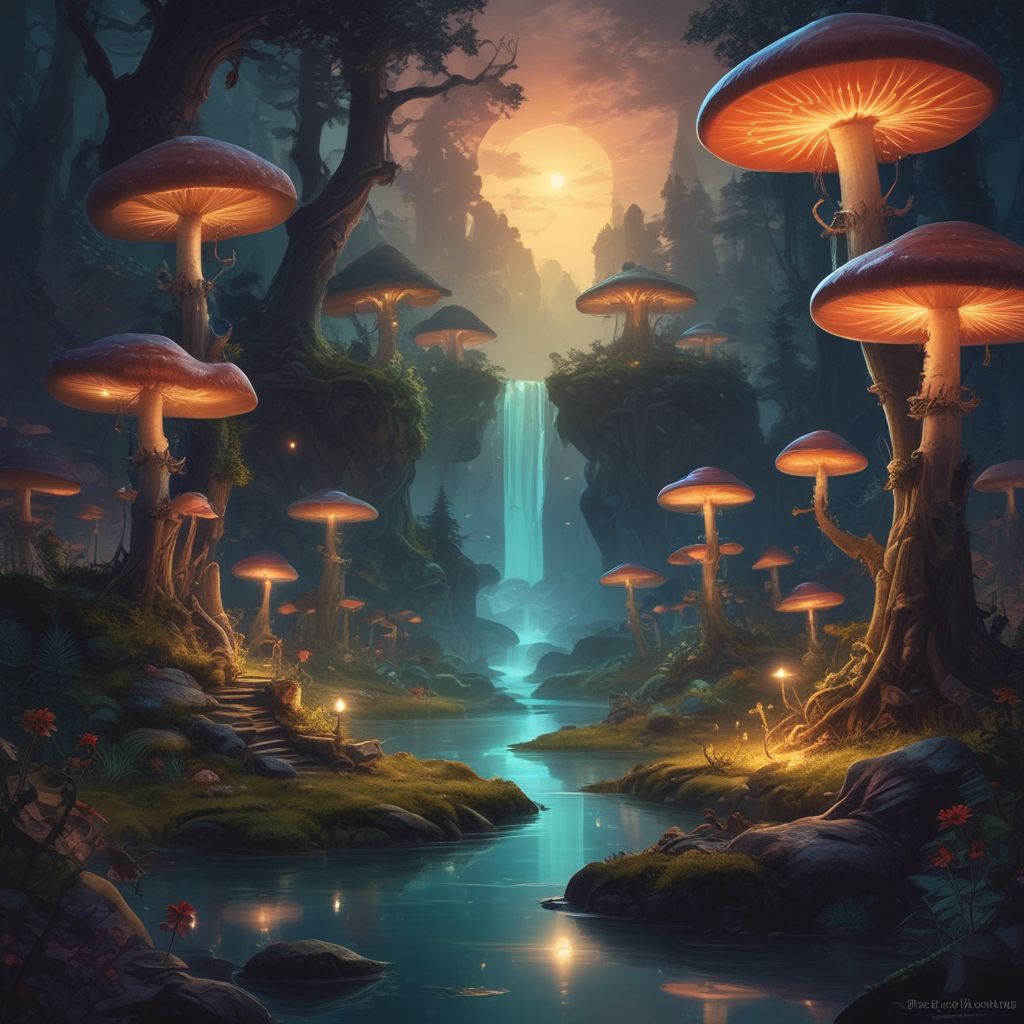
The strength of AI is not only in automation but in its ability to fuel human imagination with endless visual possibilities
How to Make Your Visuals Truly Engaging with AI
In order to make visuals that genuinely engage your viewers, it's crucial to consider more than just design. Begin with a purpose—are you intending to educate, entertain, inspire, or sell? Once your purpose is determined, create a prompt that is consistent with your brand's voice and mood that you wish to portray. For instance, a travel writer could use prompts such as "sun over tropical beach with palm trees in water colour." Once you have generated the image, edit it further with other tools for inserting text, changing brightness, or filtering. Always remain consistent with your brand identity in order to build trust and recognition on all platforms.
Optimizing AI-Generated Content for Each Platform
Each social platform has its own unique image specs and audience expectations. Instagram favors visually rich square or vertical posts, while Facebook and LinkedIn require more professional formats. Twitter/X emphasizes bold, quick-scrolling visuals, and Pinterest is all about vertical pins with text overlays. AI tools allow you to generate or resize images for each format without starting from scratch. For instance, you can create a high-resolution base image and export it in multiple sizes using Canva or similar tools. This ensures your content looks polished and platform-appropriate, increasing its chances of shares, likes, and engagement from your audience.
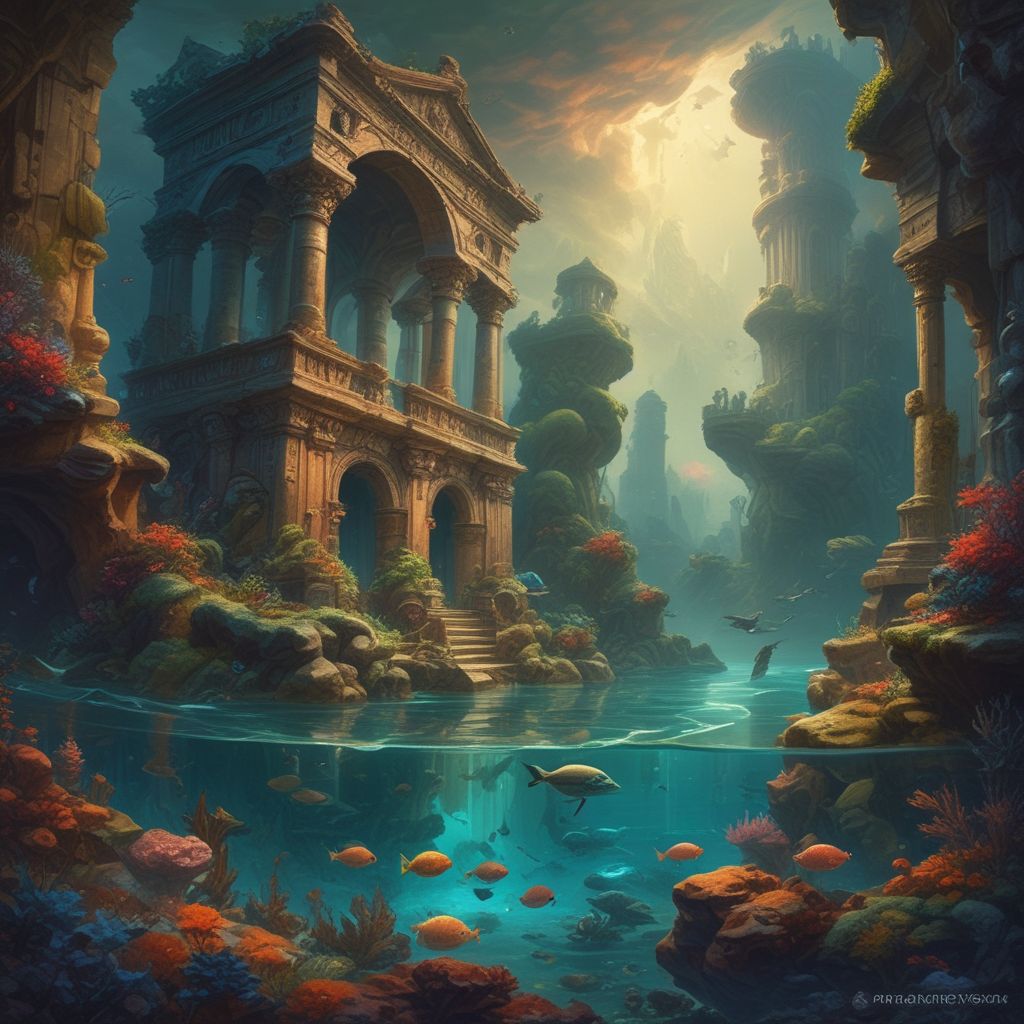
Adding a Creative Touch to AI Images
Even though AI provides the structure, your creative vision is what brings the image to life. To give your visuals a personal touch, consider layering in text overlays, brand colors, logos, or even your own photography. For carousel posts, you can use AI to generate cohesive backgrounds, and then add hand-drawn icons or stickers to guide the viewer through your content. Some creators even combine different AI-generated images into collages or storyboards to tell longer narratives. These little tweaks—like changing saturation, adding shadows, or aligning with trending color palettes—can make your content more relatable and distinct from others.
AI will not replace creativity but will act as a catalyst for those willing to explore new visual frontiers
Leveraging AI Images for Marketing Campaigns
Marketing campaigns often require frequent updates, consistent branding, and rapid experimentation. AI-generated visuals are perfect for this because they can be reproduced in different styles and settings quickly. Suppose you are launching a new product; you can generate a set of lifestyle images showing the product in different environments and demographics. If you’re running a seasonal sale, AI can create festive or themed graphics that align with the mood of the event. These assets can be used across paid ads, stories, and organic posts. Many marketers now use AI to generate multiple image variants for A/B testing and optimizing results.
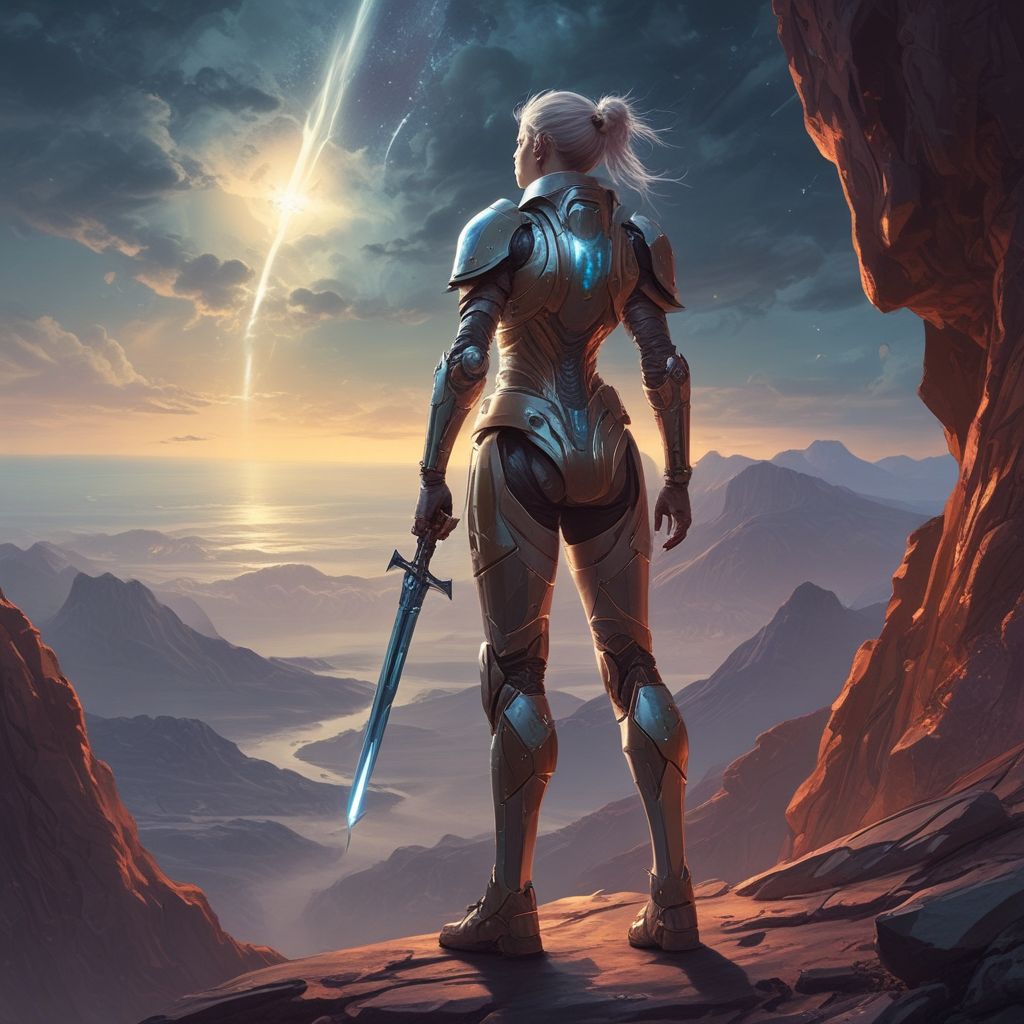
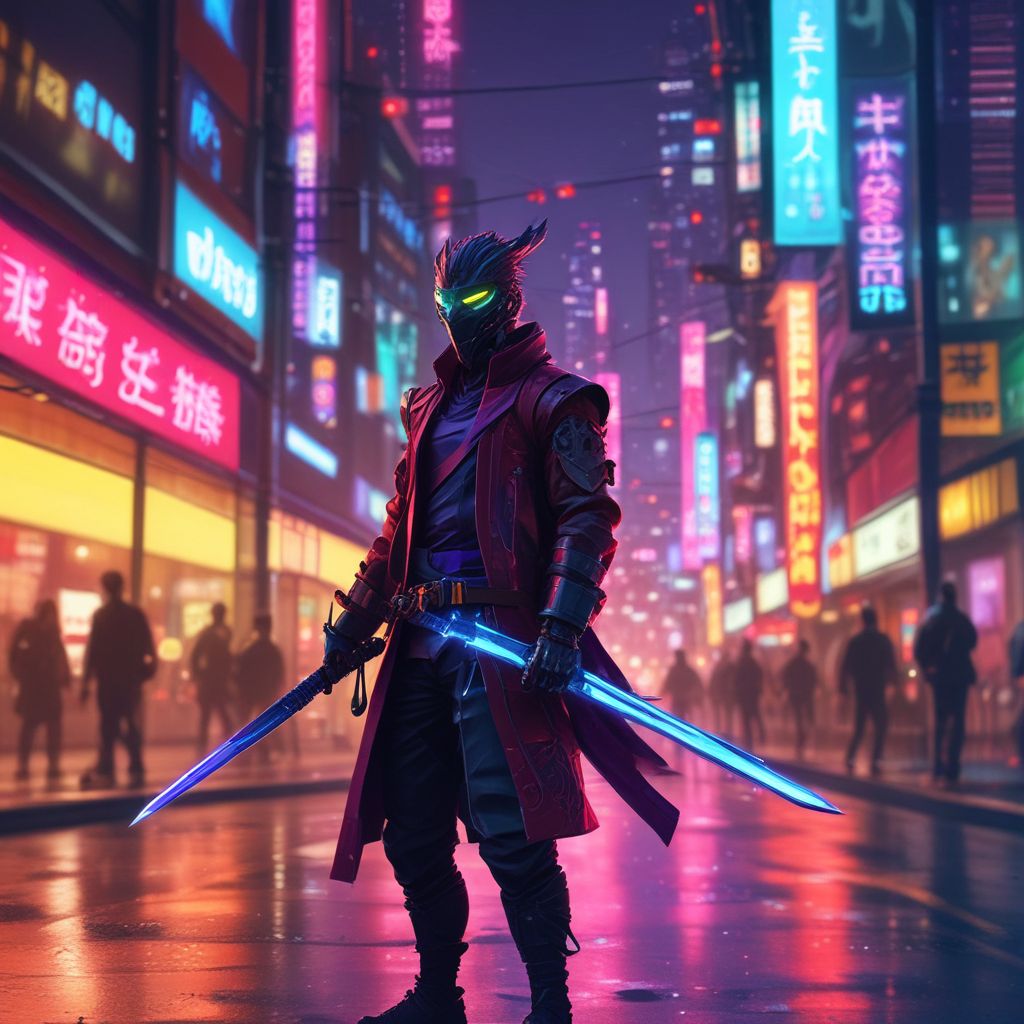
AI also reduces dependency on stock photo libraries, which often feel repetitive and impersonal. Instead of choosing from pre-existing options, you get tailor-made visuals that match your specific campaign message. This improves audience connection and drives higher engagement. Some platforms even allow you to input branding guidelines, so all generated content follows your color schemes, fonts, and layout preferences. Combined with good copywriting, this strategy ensures your campaign not only looks professional but also resonates with your audience in a meaningful way.
Best Practices for Social Media Engagement
Using AI visuals successfully involves more than just good design—it’s about strategy, timing, and communication. Always align your images with relevant captions that drive interaction, whether it’s asking a question, encouraging shares, or promoting an offer. Use high-quality visuals and make sure they're formatted for clarity across devices. If you’re posting a carousel or reel, ensure that each frame is part of a cohesive visual story. Use analytics tools to track which AI-generated images perform best, and use that insight to refine future posts. Don’t forget to include alt text and contrasting colors for accessibility.
You should also create templates or themes that your followers can recognize over time. A signature look builds brand loyalty and ensures your content is instantly identifiable in the feed. Consistency does not mean repetition—it means using a consistent tone, color palette, and visual rhythm across your posts. Mix and match different styles but maintain a unified visual language. Using AI creatively within these guidelines helps you maintain both quantity and quality of content, a balance that is crucial for long-term social media growth and success in competitive markets.
Future of AI in Social Media Content Creation
The future of AI-powered design is evolving rapidly, offering tools that will reshape how we think about visual communication. Soon, AI won’t just generate static images—it will design dynamic visuals, 3D scenes, animations, and even interactive content. Tools will be able to respond to trends in real time, suggesting visuals based on viral topics or recent user behavior. Generative design will allow brands to hyper-personalize visuals based on user demographics, locations, or shopping history, opening new doors for targeted engagement.

The other trend on the rise is AI that learns your visual identity over time, making intelligent suggestions and automatically generating versions that align with your style. That is, rather than you resizing the picture, the picture resizing to your approach. These advancements will not only decrease the amount of manual work involved in design, but they will also allow creators to concentrate on the storytelling and audience engagement. As platforms like Instagram, TikTok, and Threads continue to reward originality and speed, AI tools will play an increasingly central role in defining the future of content creation.