

Tools for artificial intelligence are transforming how we work, communicate and solve problems. These tools automate complex, time-consuming tasks so that we can work smarter. From companies to individuals, AI is becoming part of the fabric of our everyday lives.
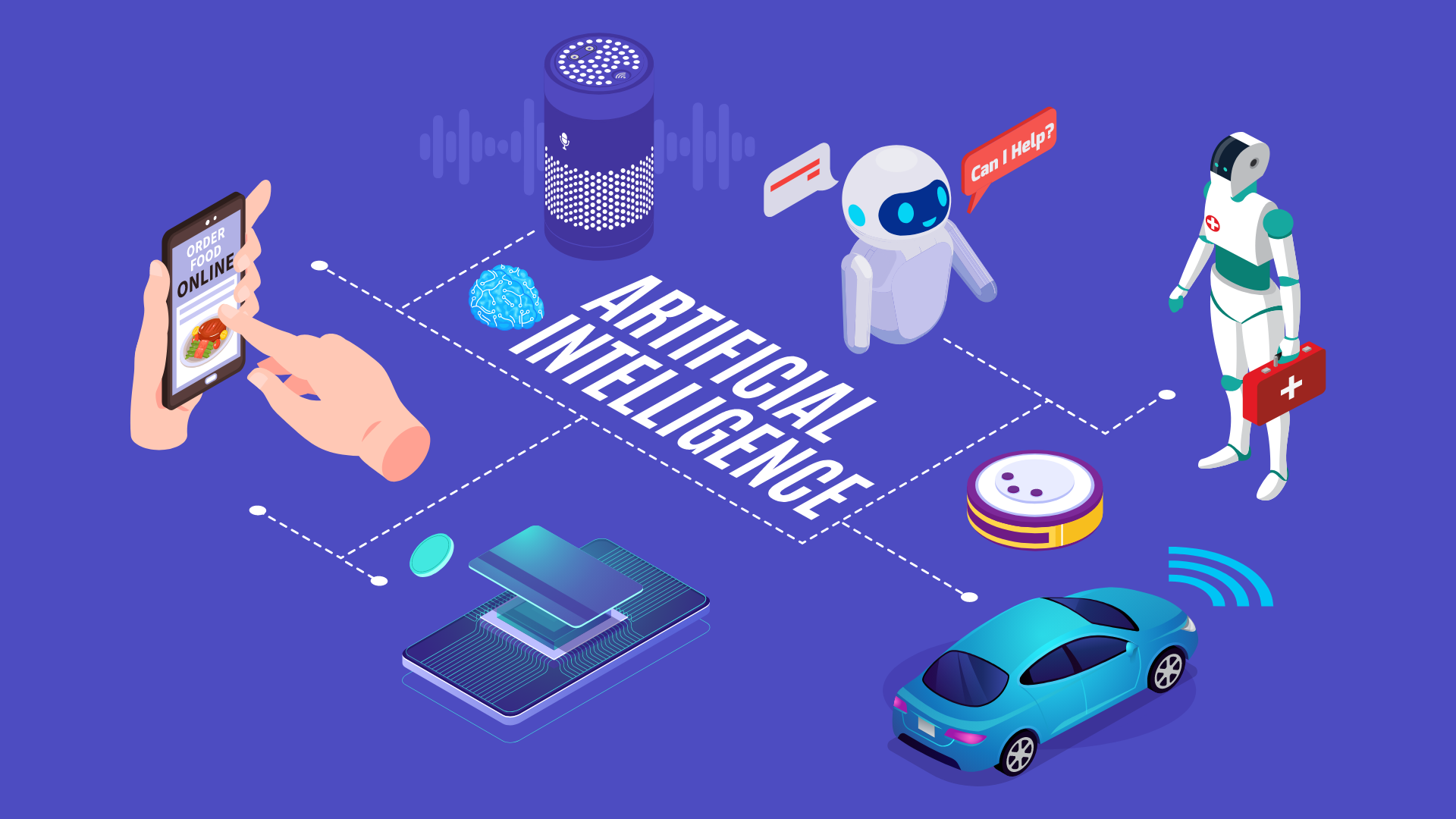
AI tools have evolved quickly and are continuing to change rapidly, gaining new capabilities and accuracy. They collect and analyze data, make predictions, and generate content. As artificial intelligence tools become accessible to more and more people, it becomes easier to make intelligent automation an integral part of daily life.
The Impact of AI Tools on Modern Life
AI tools are transforming industries across the world in ways that include increased productivity, enhanced efficiencies, and unlocked innovation. In healthcare, for example, AI tools increase speed and accuracy of diagnoses of diseases. In marketing, artificial intelligence enhances personalization by analyzing behaviors and preferences.
AI tools are also available for creative fields. These tools can generate ideas, improve designs, and compose music. Small businesses can deploy these tools to manage their customer service online through chatbots, decreasing the need for human capital to constantly monitor customers and donors. As artificial intelligence continues to seep (and advance) into multiple facets of the economy, its impact becomes increasingly significant.
Along with being a technological step forward, artificial intelligence tools represent a movement toward a smarter and more efficient future!
How AI Tools Are Shaping the Future
The promise of AI technologies is not just automation but also innovation. With the advancing technologies, they will create new paths for thinking and solving problems. Companies will obtain enhanced insights from data analysis, resulting in superior decisions.
Learning will be enhanced through individualized learning experiences driven by AI, tailored to the needs of each student. Additionally, environmental tracking and sustainability initiatives will be boosted through the analysis of large amounts of ecological information using AI tools. The AI-driven future is full of potential and promising.
AI tools also enable people with disabilities to access technology more easily by offering adaptive solutions. Voice recognition, image analysis, and predictive typing make users more comfortable using devices. Inclusiveness showcases the wider social contribution of AI, which is fostering equal access to technology. Ongoing innovation in AI tools will probably solve many present issues, improving everyone's life.
The Era of Artificial Intelligence Tools
Artificial intelligence tools are revolutionizing the way we work, communicate, and think. AI tools simplify intricate, time-consuming tasks so we can work more intelligently. From big businesses to consumers, AI is becoming an integral part of our daily lives. Whether it's answering customer questions, identifying fraud, or optimizing supply chains, AI tools enable faster, better-informed decisions. They're no longer experimental — they're practical, effective, and scalable. This broad availability has transformed the way people view technology: not as a hindrance, but as a forceful partner in everyday productivity and creativity.
AI software has evolved rapidly and still expands with more capability and precision. They harvest and examine enormous datasets, recognize patterns, predict outcomes, and create human-readable content. These technologies empower organizations to take action on real-time insights that might take weeks or months to discover. As AI becomes more accessible and cost-effective, even small companies and freelancers are using these technologies. The increasing availability of AI makes it possible for widespread adoption in industries. The democratization of AI is important — equipping more individuals to innovate, streamline processes, and develop more intelligent solutions that address real-world issues.
Artificial intelligence tools are revolutionizing businesses around the globe in terms that encompass productivity, enhanced efficiencies, and newfound innovation. In medicine, for instance, AI tools facilitate faster and more accurate diagnoses of diseases, which result in earlier treatment and better patient outcomes. In advertising, AI delivers greater personalization through the analysis of behavior and taste to provide individualized experiences. Banks leverage AI to identify fraud in real-time. The retail industry employs it for inventory management. From farming to cyber security, AI is transforming the way businesses work and preparing the ground for the next wave of intelligent automation and digital transformation.
AI tools don't just make us faster they make us wiser, helping us see what we couldn't before and build what we never imagined
Creativity and the New Frontier
AI tools are also present for creative industries. These devices can come up with ideas, enhance designs, create music, and write materials. Designers utilize AI to create one-of-a-kind images, while movie makers utilize machine learning to edit footage, adjust audio, and even animate characters. Authors utilize AI to come up with storylines, summarize articles, or translate languages. Small companies utilize AI-powered chatbots to manage customer service, requiring less 24/7 human observation. Artists use AI to try out new sounds. While artificial intelligence gets better and better at powering creative industries, the limits of what and who can create are pushed further and further.


In addition to being a step forward for technology, artificial intelligence tools also mark a shift toward a more intelligent and effective future. They open up human potential by taking on rote and data-dense tasks, freeing us up to deal with higher-order thinking and creativity. Companies view AI as a competitive edge, maximizing decision-making, minimizing errors, and maximizing ROI. Even in industries such as law or education, AI assists with document review, grading, or administrative planning. The end result is a world where digital collaboration among humans and machines becomes second nature. Tomorrow's workplace is already taking shape — smart, nimble, and very collaborative.
The future of AI technologies holds not only automation but also innovation. With advancing technologies, AI will create new paths for solving complex problems, disrupting traditional workflows. Companies will gain enhanced insights from data analysis, leading to sharper strategies and better decision-making. Engineers will solve logistical challenges with predictive models. Healthcare professionals will identify treatment plans based on patient history and genetics. Scientists will simulate experiments faster using AI models. From macro-level strategy to micro-level detail, AI technology will drive discovery and compress time-to-value in every industry. Innovation won't be linear anymore—it will be exponential.
Social Good and Inclusivity
AI-powered individualized experience will improve learning. Intelligent tutoring systems will tailor pace, style, and content to the needs of each learner. AI can suggest exercises, track progress, and give immediate feedback. This customized style enhances comprehension and increases confidence. Outside of classrooms, AI also facilitates professional upskilling by means of adaptive training systems. These programs adapt to a learner's pace and prior knowledge, making education more inclusive. With lifelong learning as the need of the times in the changing work environment, AI will enable individuals across all age groups to learn and apply skills better, allowing them to stay nimble in their professions.


Environmental monitoring and sustainability efforts are being immensely facilitated by AI solutions. From climate data analysis to efficient energy use in intelligent cities, AI is empowering wiser choices for our earth. Farm sensors along with AI can forecast weather conditions and track soil quality, enhancing crop yield without wastage. AI can also handle renewable resources by predicting demand and varying supply accordingly. Environmental non-governmental organizations employ AI to monitor endangered animals or identify illegal forest logging based on satellite information. By doing this, AI becomes a mechanism for the conservation of ecosystems, the combat against climate change, and the creation of a more sustainable and more resilient world.
AI technologies allow individuals with disabilities to access and utilize technology more comfortably by means of adaptive and assistive technology solutions. Voice recognition assists individuals with mobility impairments to browse digital interfaces. Image-to-text conversion helps the visually impaired interpret visual information. Predictive typing and gesture control systems facilitate easier digital interaction for users with cognitive or physical impairment. Not only do these innovations enhance accessibility, but they also empower independence and self-expression. Inclusiveness is the silent strength of AI development—it allows all, irrespective of ability, to be included in and to gain from the digital revolution. AI is making the world a more equitable and interconnected place.
Shaping the Future of Work and Society
AI applications are transforming the workplace into a dynamic and smart space. Virtual assistants schedule appointments, create summaries, and organize tasks. Human resources departments utilize AI to filter applications, minimizing hiring bias and maximizing efficiency. Financial applications help with forecasting and budgeting. Manufacturing lines employ predictive maintenance systems that minimize downtime. All of this allows employees to focus on creativity, relationships, and strategy rather than routine activities. The future of work is not about replacing humans but augmenting them—giving professionals the digital co-pilots they need to do more, faster, and with greater precision than ever before.
Ethics, responsibility, and governance are crucial aspects of AI’s growing influence. With great power comes the need for thoughtful design and clear boundaries. Developers have to make AI tools bias-free, decision-making transparent, and safe for use. With tools becoming increasingly sophisticated, issues of privacy, fairness, and accountability come more to the forefront. That's why international collaboration is crucial. AI architectures should be created in consultation with educators, regulators, and civil society. Free flow of discussion will make AI work for people, not profits. Responsible use of AI is not a nicety—it's essential to the long-term success of these revolutionary technologies.
AI tools are constantly developing and are likely to revolutionize how we live in all aspects. Intelligent homes run by AI will adjust to our habits. Self-driving cars will revolutionize transportation. AI companions might provide emotional support or assist those who are old or lonely. Governments might use AI for urban planning, emergency response, and citizen engagement. While the path forward is filled with questions, one thing is clear: AI will remain a central force in shaping our future. The key is to embrace it wisely—with humanity, transparency, and a shared vision for inclusive progress.