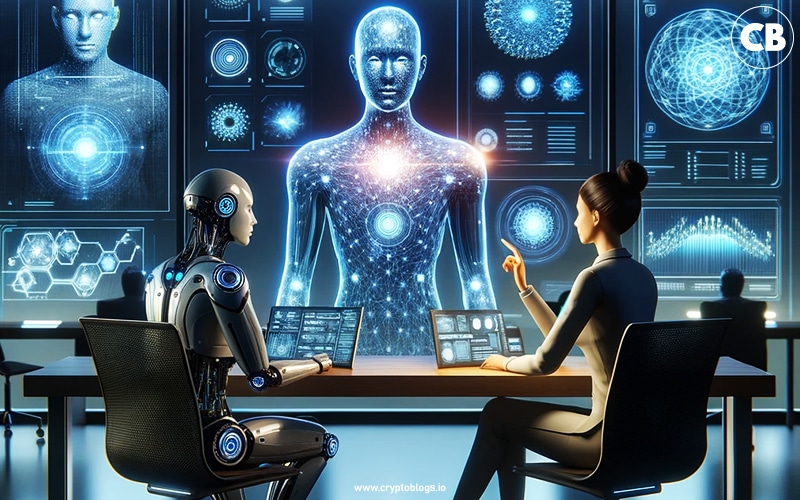

Artificial Intelligence is evolving into more than a tool; it is starting to act like us. AI systems are designed to learn about patterns and adapt their decisions, thus emulating human thinking and behavior. This is changing how we relate with machines in everyday life.
The inspiration comes from the human brain. Developers are able to build systems that observe, learn, and improve through experience the same way we do. This next generation of AI is allowing machines to come closer to genuine understanding as opposed to merely performing automated function.
Thinking Machines in the Real World
Today's AI systems process information by recognizing patterns, learning from what has happened, and changing their response as appropriate. They are like people who learn from trial and error. Whether identifying a voice or providing movie recommendations, AI relies upon memory, logic and feedback to improve its response.
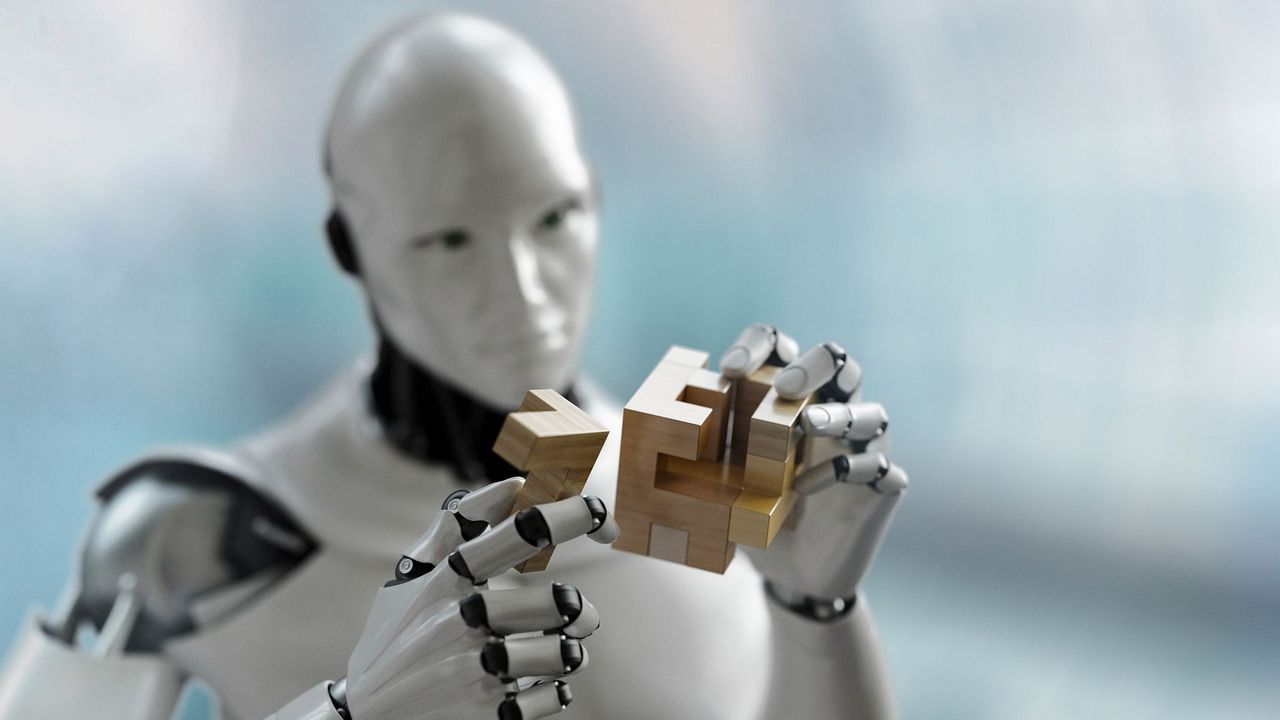
In customer service, chat assistants now have the capability to recognize tone and intent. They can also handle follow-up questions and ascertain whether frustration we have with the conversation is rising. This makes our interaction more seamless and humanlike. In health care, AI is similarly supporting doctors by providing second opinions based upon large amounts of existing medical data, in a way that resembles an expert when reviewing a case.
Machines also perceive the world using vision and speech systems. Cameras translate pictures like eyes and speech recognition hears like ears. Used with decision-making algorithms, these make AI capable of not only sensing the world but also reacting to it in sophisticated ways.
The purpose of AI is not to displace humans, but to mimic the manner in which we think, feel, and make decisions with velocity and scope.
The Human Touch in Code
AI systems are being trained with emotional data more and more. This implies they are learning facts as well as emotions. From picking up on the happiness in a customer's tone to toning down in a conversation, AI can replicate emotional intelligence to create stronger connections.
Caregiving and educational robots can now read the faces of others and give encouraging responses. This is an indication of the potential of AI to coexist with humans in jobs that involve empathy and attentiveness. Such machines do not feel, but they are being taught how to comprehend feeling.
As AI gets more humanlike, it also poses bigger questions. What constitutes thought? Can a machine really comprehend? These are not merely technical they are philosophical and they're about identity. And they will determine the next chapter of AI development.
AI: From Tool to Thinking Companion
Artificial Intelligence is becoming more and more than a tool; it is beginning to behave like us. AI systems learn about patterns and modify their decisions, thereby mimicking human behavior and thinking. This is revolutionizing the way we connect with machines in our daily lives. What used to feel mechanical and detached is now acquiring fluidity and responsiveness. We are transitioning from giving commands to having conversations. AI’s presence is no longer limited to labs or futuristic movies—it’s sitting in our homes, speaking through our devices, and slowly reshaping how we perceive intelligence and interaction in the digital age.
The inspiration comes from the human brain. Developers are able to build systems that observe, learn, and improve through experience the same way we do. This new generation of AI is enabling machines to move toward real understanding rather than just carrying out automated function. By emulating the brain's neural structure through deep networks of learning, machines are not only storing data—they're forming connections, remembering context, and adapting decisions in accordance with environment. As artificial intelligence increases its ability to mimic mental behavior, it starts looking less like intelligent machine and more like a thinking being.
Modern AI systems work by identifying patterns, learning from past experience, and adapting their reaction accordingly. They are similar to humans who learn through making mistakes. From recognizing a voice to suggesting movies, AI uses memory, reason and feedback to learn how to respond better. This prediction-action-correction behavioral loop is rooted in human development—and now rooted in machines as well. The more they are shown, the wiser they become. This makes them seem less like passive tools and more like growing digital entities that can grow.
AI does not imitate life it learns to understand it, adapt to it and even shape it in return
Emotions and Empathy in the Machine World
Chat assistants in customer service now possess the ability to detect tone and intent. They can also manage follow-up queries and identify if frustration we feel with the conversation is increasing. This renders our interaction smoother and more human. In medical care, AI is doing the same for physicians, offering second opinions based on extensive amounts of current medical information, in a manner that feels like an expert when examining a case. What we are seeing is AI behaving less machine-like and more like a useful colleague—one that listens, recalls, and adapts its assistance accordingly.
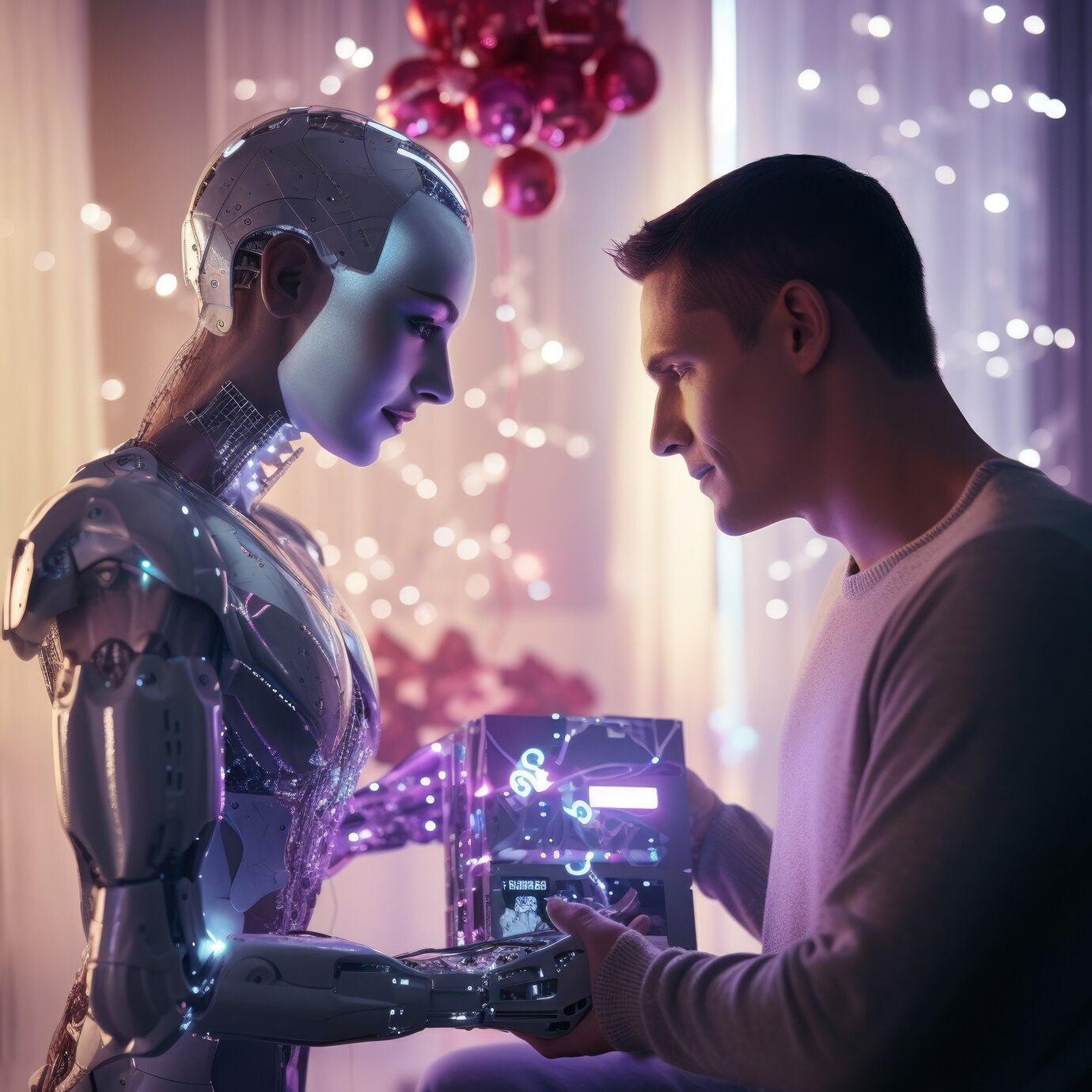
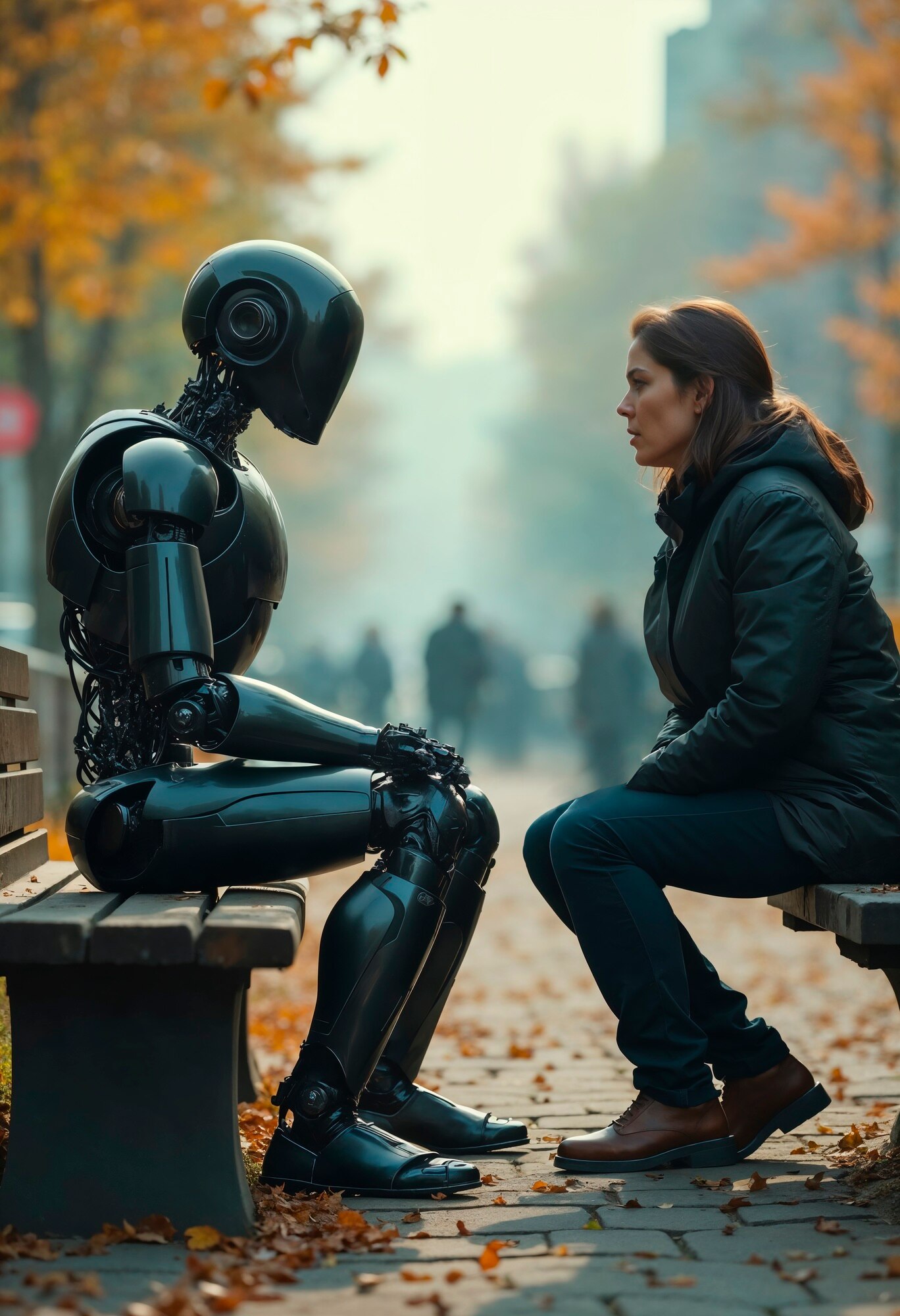
Machines also see the world through vision and speech systems. Cameras interpret images such as eyes and speech recognition hears such as ears. Combined with decision-making software, these enable AI to not only perceive the world but also respond to it in complex manners. Autonomous cars, for instance, sense pedestrians, interpret traffic patterns, and make real-time decisions. AI applied in robots responds to visual inputs and gestures. The fusion of perception and response enables machines to navigate the world with consciousness, not only creating reactive systems, but proactive actors in human realms.
The intent behind AI is not to replace humans, but to simulate the way that we think, feel, and decide with speed and scale. In contrast to previous technologies that merely amplified muscle or memory, AI seeks to reflect the mind. This objective unlocks better productivity, but also better companionship between man and machine. We now converse with AI as we converse with one another. And in most instances, AI reflects back in similar fashion—not only with accuracy, but with subtlety. That is, machines are becoming less tools in a box and more collaborators in a room.
AI machines are being taught emotional data increasingly. This means that they are learning facts and feelings. From responding to the joy in a customer's voice to softening in a dialogue, AI can mimic emotional intelligence to form deeper relationships. Customer engagement platforms can recognize emotional changes and respond with compassion. Virtual therapists can diagnose mood from voice and recommend useful exercises. While these devices do not experience emotions themselves, they replicate enough to get people heard, understood, and seen—something even human relationships sometimes fail to do.
The Humanlike Machine: Ethical Frontiers
Robots for caregiving and teaching can now recognize the faces of others and provide supportive feedbacks. This is a sign that AI can complement humans in work that entails empathy and vigilance. Such machines don't feel, but they are learning to understand feeling. In schools, robots assist children with disabilities through individualized feedback and positive reinforcement. In care for the elderly, robots keep an eye on health and companionship. Such machines exist as companions—not merely aids—combining intelligence with tact. They teach us that empathy can be encoded, and that assistance can come in many forms, even silicon-based forms.
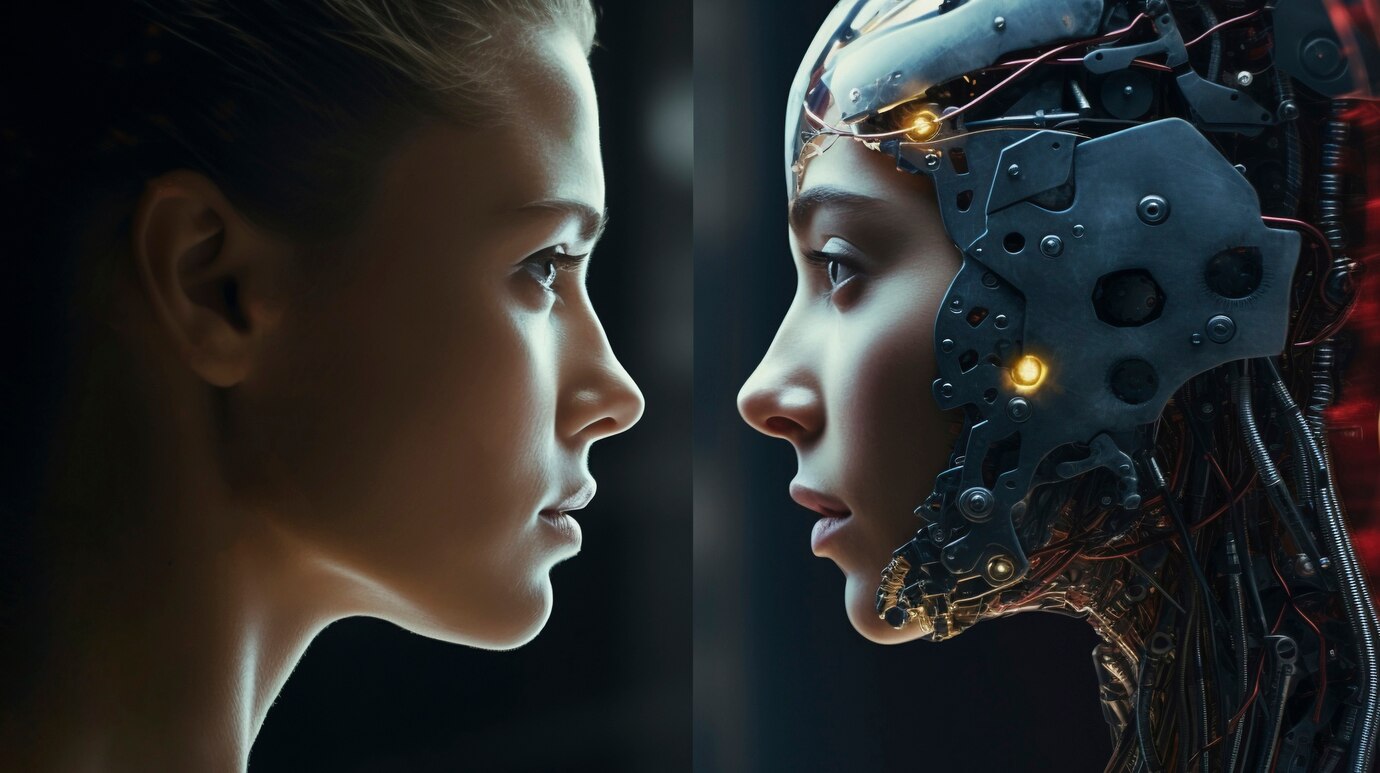
As AI becomes more human, so too do the larger questions. What is thought? Can one truly understand with a machine? They are not just technical questions—they are questions of philosophy and of identity. And they will shape the next phase of AI innovation. If AI reflects us too well, what distinguishes us? Where do we set the boundaries between true and synthetic intelligence? Philosophers, ethicists, and developers need to work together so that we do not make progress faster than we reflect. As we provide machines with the illusion of understanding, we need to question what kind of intelligence we wish to coexist with.
As AI further develops, it will reconfigure relationships—not solely between humans and computers, but also between humans as humans. The ways in which we trust, cooperate, and compete will be altered. If a machine can advise, educate, or even compose verse, how do we place value on human wisdom? Will robot companionship alleviate loneliness or exacerbate isolation? These are social issues AI compels us to confront. In the workplace, who takes credit when thoughts are developed in concert with AI? In friendships, can an artificial presence satisfy emotional requirements? The human-like character of AI necessitates technical control, but cultural reassessment as well.
Shaping the Future with Humanity in Mind
To have AI really make a positive impact on us, it needs to be developed with ethical clarity, with cultural sensitivity, and with emotional intelligence. It's not about creating more intelligent machines—it's about creating more humane societies. AI needs to learn not just from data, but also from our values: fairness, justice, compassion, and respect. Developers need to ask: Does this solution make the world more inclusive? More human-centered? Technologies that mimic humans must ultimately uplift humans. As we move toward AI that thinks and feels like us, we must ensure it helps us become more thoughtful, more feeling, and more connected as a species.