
Artificial Intelligence is evolving rapidly and a big part of the growth can be attributed to open source. Developers are creating open source code, tools, and concepts and contributing them freely on a global scale. This collaboration and sharing of ideas is driving innovation.
Open source AI permits talent across the globe to participate together. People can release models, datasets, and research papers which others can utilize, build, and improve. The open sharing encourages creativity and can permit even a small team to build impactful products or research, using openly shared tools and capability.
Sharing Knowledge to Build Smarter Systems
Many high-profile AI frameworks have started the same way. Systems that have now developed into language models, image generators, text to speech, building them as an open source means that further improvements, edits, and configurations took place in the open. Each iteration improved the previous iteration; all working in the open with the global community benefiting from improvements. Mistakes, edits, and fixes were made faster, and new ideas were enabled and drove development from ideas and experiences from other parts of the world.
One valuable advantage of open source AI is the level of transparency. Developers can view how a model operates, they are able to test the model, and they are able to learn from the model. The ability to learn from a model builds trust and accountability, and fosters safety and responsible civil use of AI and machine learning as we navigate our life experiences.
Open source AI is not only code, it is a movement that calls for everyone to help create the future together
Open source AI has no better friend than education
Freedom to Learn and Create
Students are able to play with actual tools that industry and researchers use. Rather than learning about AI, they can create their own systems and learn from scratch.
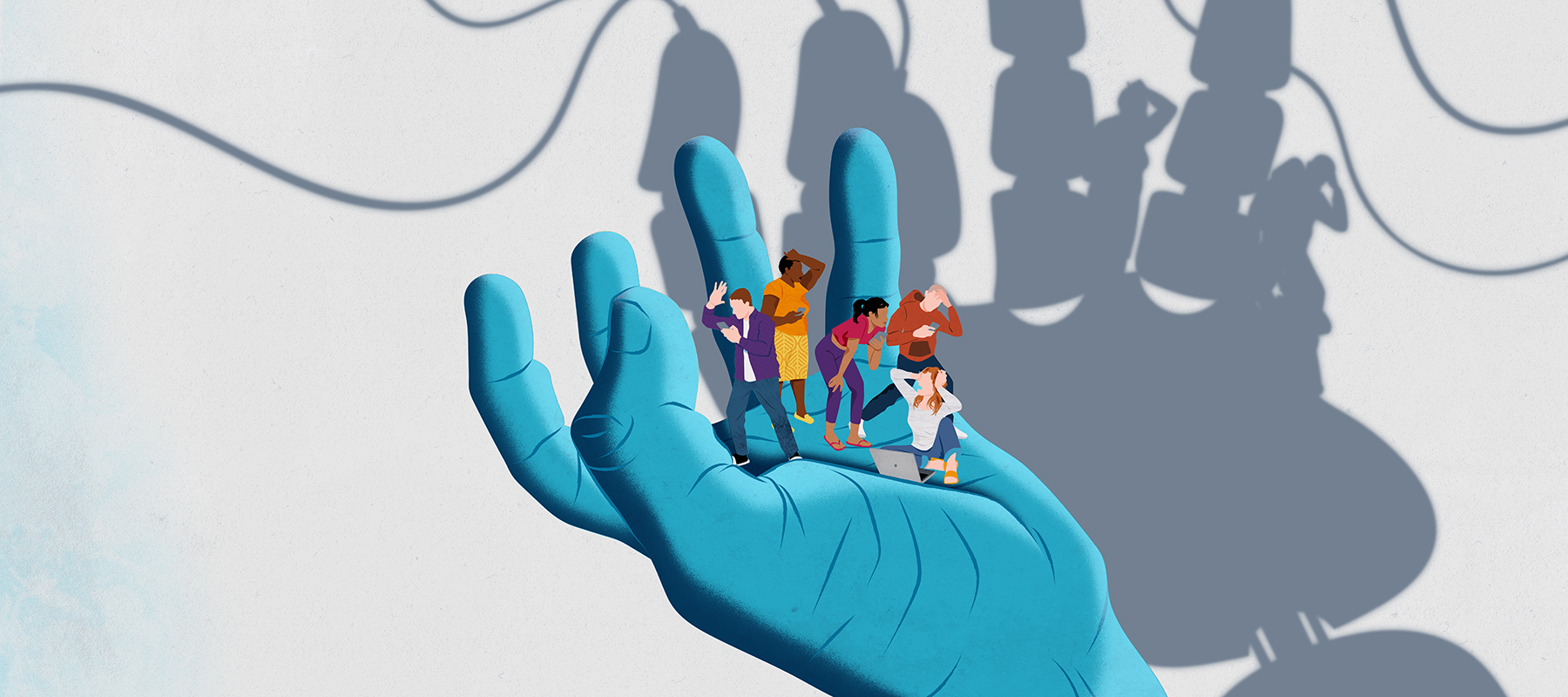
It also assists small teams and startups. With little money, they are still able to get access to strong models and libraries. This makes it equal and allows more individuals to turn their ideas into reality.
Not even artists and writers are excluded. They use tools to produce images, music, and texts using machine learning. Imagination turns into action with only a few lines of code.
Open source AI is freedom. Freedom to create, learn, share, and evolve. It makes artificial intelligence something that's shared by all of us—not mere companies or laboratories.
The Power of Open Source in AI Advancement
Artificial Intelligence is growing fast and much of the growth is owed to open source. Developers are producing open source code, tools, and ideas and donating them gratis on a worldwide scale. Sharing, collaborating, and helping one another is fueling innovation. AI no longer resides behind the walls of exclusive corporations or exclusive labs. With open source, entry is democratized, and ability of any background or nation can be part of the discussion. It's a strong message that innovative change today doesn't only result from significant budgets—but shared intellect and the desire to create something together meaningfully.
Open source AI allows ability from everywhere to co-contribute. Individuals are able to share models, datasets, and research papers which others can use, create, and advance. The open sharing promotes creativity and may allow even a small group of individuals to develop significant products or studies, leveraging openly shared tools and capability. The greater the number of people contributing to projects, the more diverse ideas are. From language translation models to global climate simulations, open source AI makes flexibility, experimentation, and continuous improvement possible. It's inclusion-driven innovation, and that makes the possibilities virtually limitless.
A lot of prominent AI platforms have begun the same way. Platforms that have evolved to become language models, image makers, or text-to-speech interfaces started as a small concept and an open library. Developing them with an open source background meant subsequent improvements, modifications, and fine-tunings happened in the public domain. Each update had the previous one topped; the entire world gaining with each bug fix, performance improvement, and new capability. When everyone contributes, the pace of growth accelerates naturally. Mistakes are corrected faster. Innovations reach the market quicker. And more importantly, ownership of progress is shared.
Open source AI doesn’t just empower code it empowers people, giving everyone a voice in building tomorrow’s technology
Transparency and Trust Through Openness
One valuable advantage of open source AI is the level of transparency. Developers are able to see how a model works, debug the model, and learn from it. This establishes trust, responsibility, and community trust. If you can see into the workings of AI—how it makes decisions, where the data is coming from—it encourages responsible and respectful use. Transparency is most important in an era when AI impacts employment, media, healthcare, and education. Rather than black-box systems, open source provides models that can be examined, enhanced, and utilized responsibly by developers, researchers, and policymakers globally.
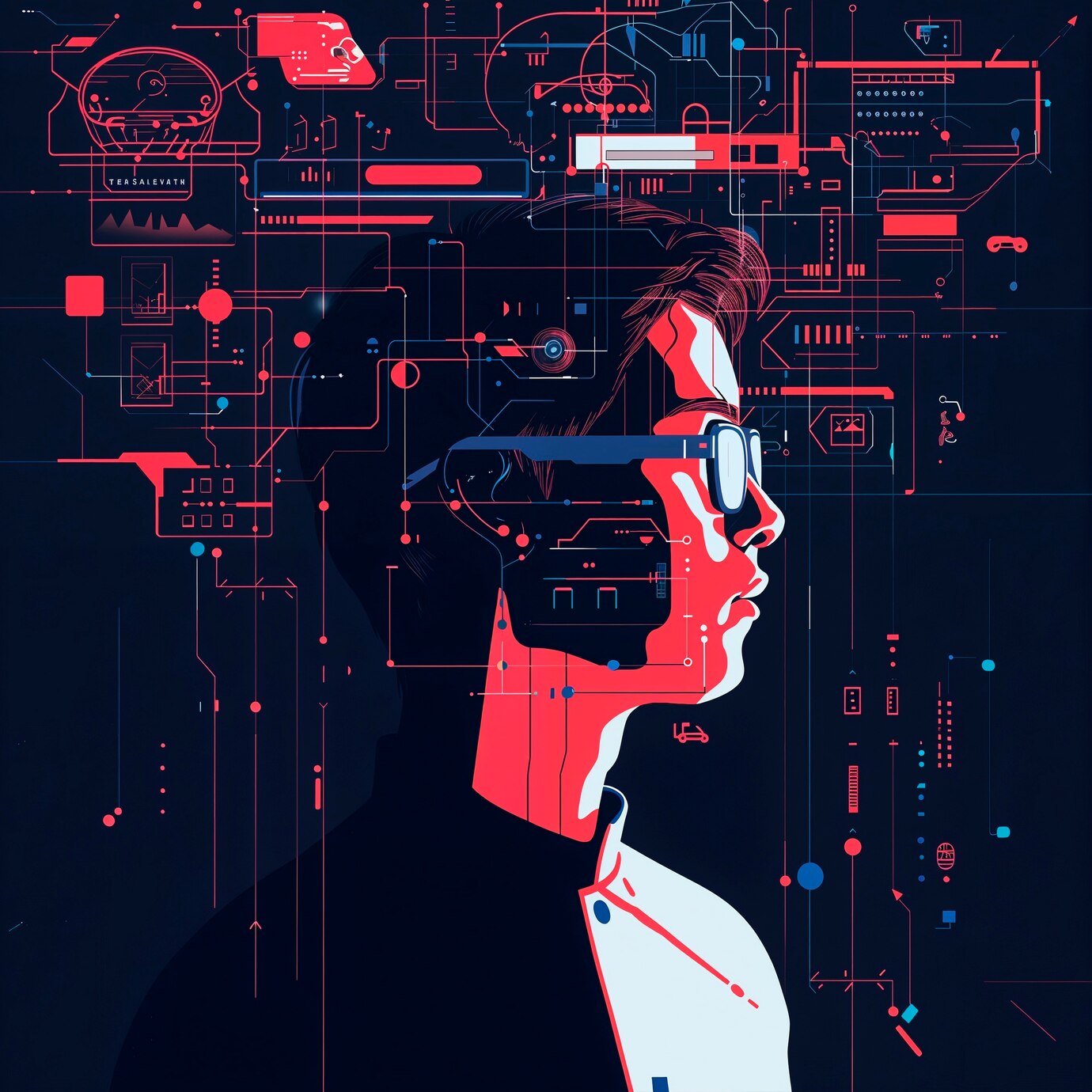
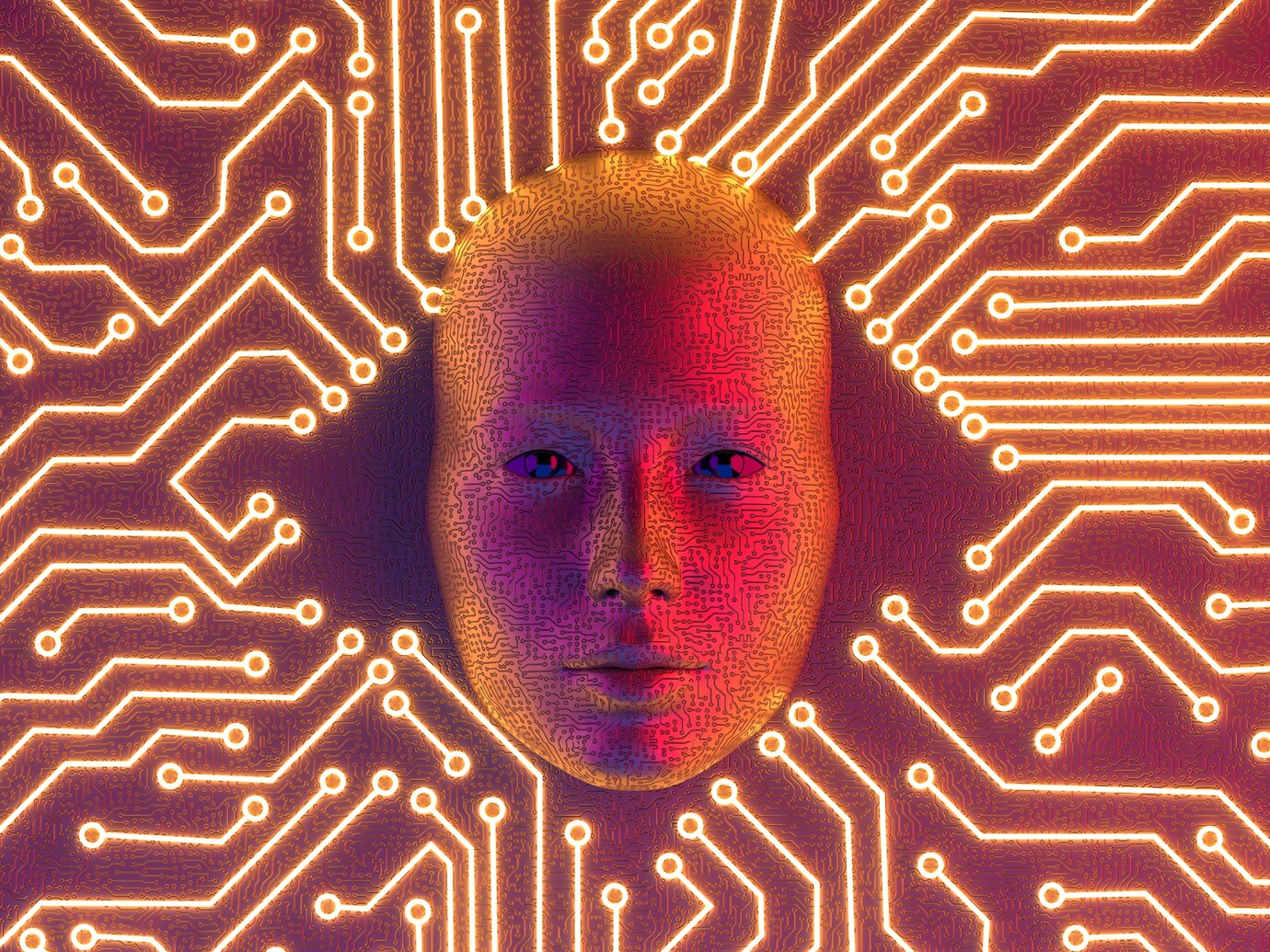
Open source AI is more than code—it's a movement urging everyone to collaborate in building the future. It has roots in values such as collaboration, openness, and freedom. With open AI platforms, researchers in rural communities, students from developing nations, and indie developers from small towns can all participate. This puts everyone on an even playing field and guarantees the future of AI will be representative of the diversity of its makers. Open AI is no longer only a technological phenomenon, but also a social one—shattering barriers and promoting collective ownership of the tools that will transform humanity's future.
Open source AI has no better friend than education. From high schoolers tinkering with Python notebooks to university labs testing new models, open AI provides hands-on experience with real-world tools. Students no longer need theoretical lectures alone—they can download actual libraries used by professionals, see how they function, and even build their own experiments. This exposure stimulates interest in STEM, fosters independent learning, and raises the next generation of entrepreneurs. When students create their own AIs rather than simply reading about them, they learn more thoroughly and have greater confidence in themselves.
Innovation for Startups and Small Teams
It also benefits small teams and startups. With minimal cash, they are able to attain strong models and libraries. It brings a degree of parity that is not often experienced in the tech community. Garage founders can now employ the same machine learning model used by a billion-dollar enterprise. Open source lowers the barrier to entry and eliminates old bottlenecks. It enables more individuals to experiment, iterate, and bring their ideas to life. It spurs innovation in the grassroots, powering leaps in health, climate, language, and creativity. Open tools allow for fewer gatekeepers and more chance of effect.
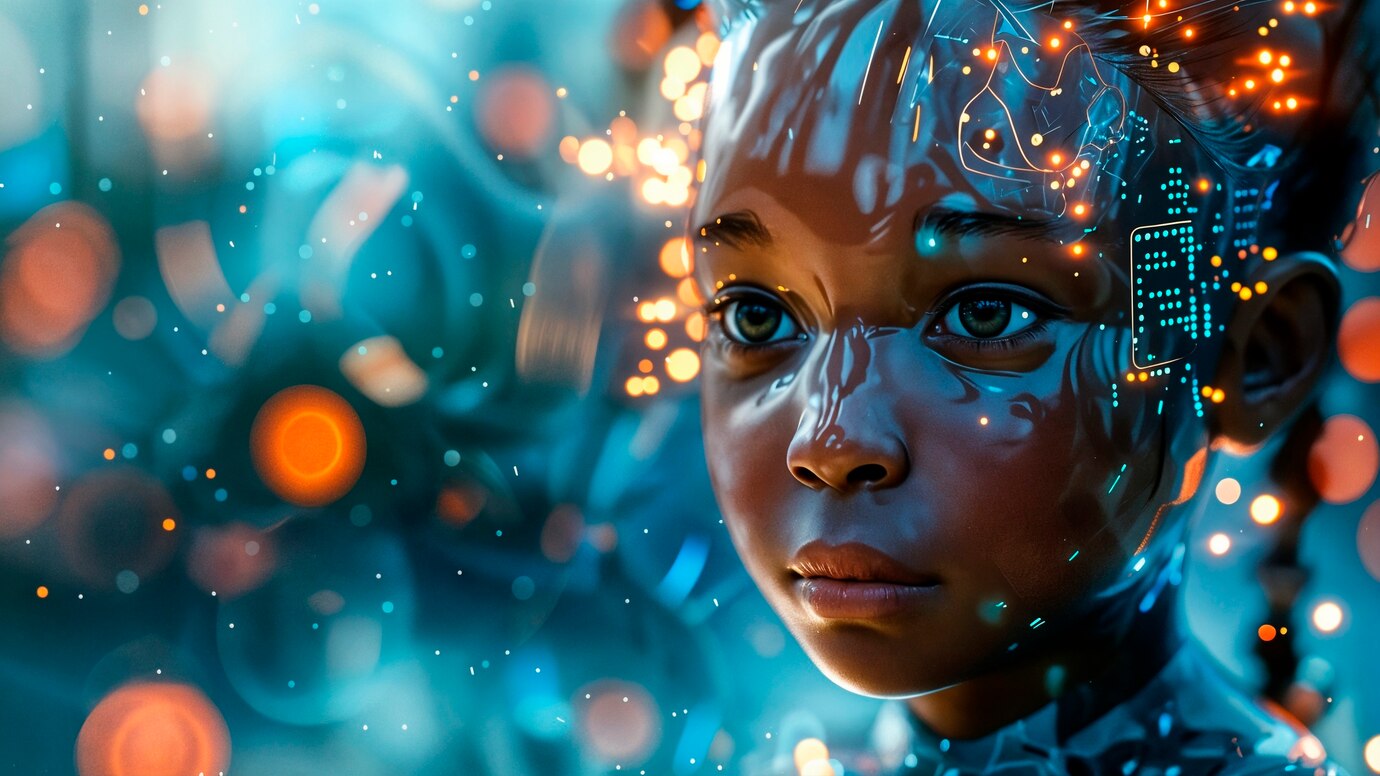
Not even writers and artists are left out. They employ tools to create images, music, and words with machine learning. What used to be the province of engineers is now open to poets, painters, and musicians. Imagination becomes action through a few lines of code. A writer can collaborate with a language model. A designer can create designs by writing down a mood. These tools are not substitutes for human ingenuity—they are complements. They enhance expression and enable people to execute their ideas with speed and accuracy, reshaping creative industries into what they are today.
Open source AI is freedom. Freedom to create, learn, share, and develop. It makes artificial intelligence something that belongs to us all—not just technology giants or privileged laboratories. It redefines the story of ownership and control in AI. Everyone is now a stakeholder, a participant, and a possible inventor. Whether you're addressing a challenge in your neighborhood or playing around with experiments, open AI is yours to discover. It's a party for all of us, driven by community and inspired by curiosity. It's not who you are—but what you can create.
Responsible AI for a Shared Future
Maybe the most urgent problem in AI is building fairness and moral design in. Open source makes that possible. When models are constructed in public, bias can be detected and removed. When code is in sight, security holes can be plugged. When diverse individuals contribute, more opinions influence the development process. This results in safer, more equitable technology. Open source makes possible the transition of AI from a mysterious force to an intelligible, controllable force. It brings AI out of the darkness and into public hands, where discussion, amendment, and supervision are feasible.
Aside from ethics, open source promotes resilience. When code is open, communities can continue to support it even if the original developers no longer do. This makes AI tools more sustainable and resilient. In a world where software tends to vanish behind paywalls or corporate agendas, open models remain accessible for learning and development. Schools, non-profits, local governments, and hobbyists can continue to draw value from them long after commercial interest has passed. It makes a difference. It keeps AI from being merely a trend—but a tool that adapts with us, guided by our needs and open to our voices.
Looking forward, the future of AI will be a function of how open it stays. As models become increasingly powerful, concerns about access, regulation, and fairness will simply grow louder. Closed systems may deliver profit—but open systems deliver progress. If we keep AI open, transparent, and inclusive, we ensure everyone has access to its benefits. We build a future where technology uplifts, not divides. Where everyone can learn and innovate has no boundary. This is a world where AI is not a luxury, it's a public good. And that is the most compelling idea of all.