
Artificial Intelligence has transformed many sectors, but its most unexpected milestone occurred through art. A machine creating a visual image was, at one time, inconceivable. Then, it happened, and the world took notice!
The first AI-generated image was not only a technical accomplishment, but a cultural one as well. It showed that machines could do more than compute - they could create! That moment changed our perceptions of both technology and art forever.
When Machines Became Artists
The first image produced by AI emerged out of a knowledge domain called neural networks. Neural networks attempt to simulate the operations of the human brain by processing information. In early tests, researchers tasked machines with learning patterns identified in shapes, colors, and styles.
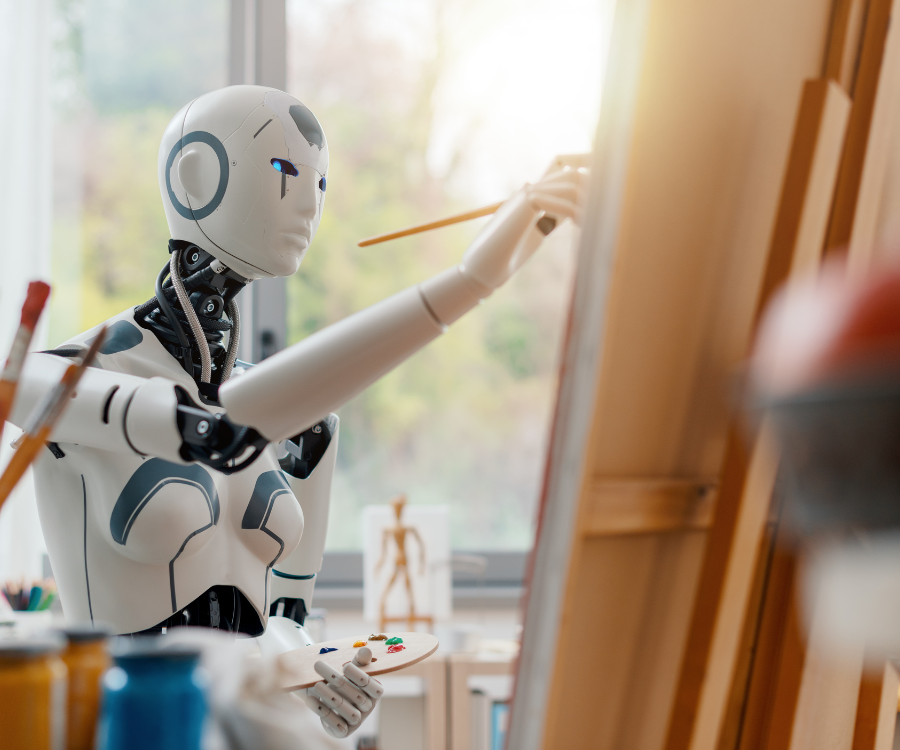
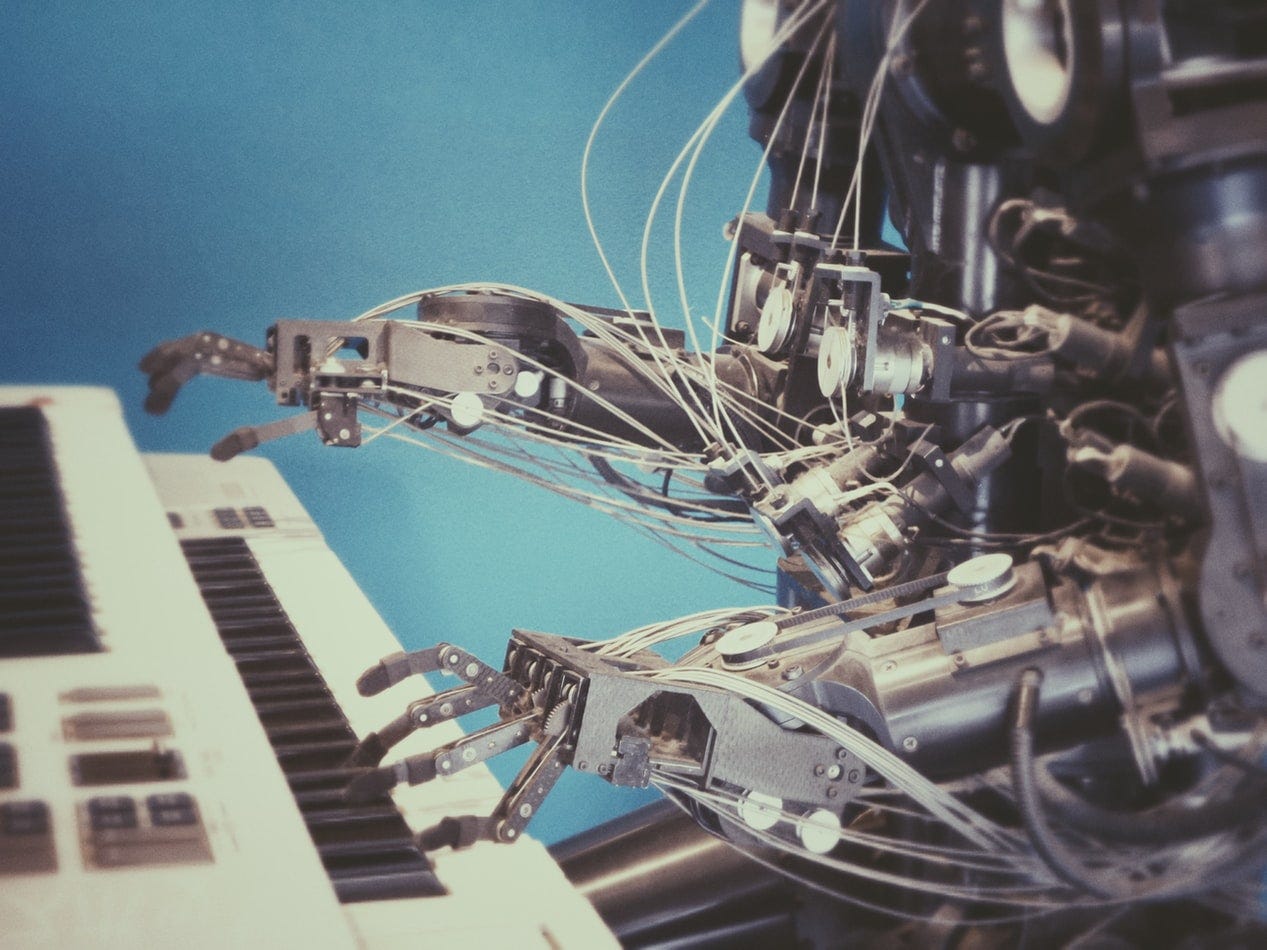
Leveraging this understanding, AI produced an original image. It was abstract, almost dreamlike, and oddly compelling. It didn’t look like a photograph, or a painting in the typical sense, but had an essence of depth and feeling. People were amazed about how a machine could imagine anything.
This event provoked worldwide dialogue and debate. It made us wonder if AI could be an artist, and posed interesting questions about the notion of creation. Museums, universities, and tech companies started exploring how AI could shape the future of design and expression.
The first picture created by AI was not merely an image it was a reflection revealing to us how someday machines could dream
A New Era of Creativity
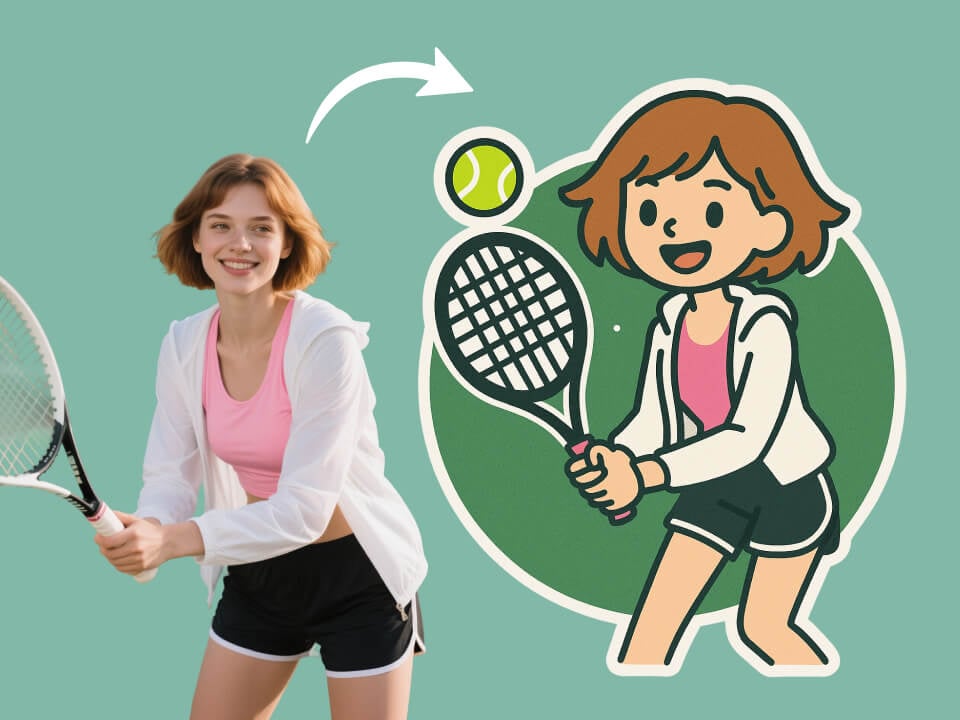
Since that initial breakthrough, AI has painted portraits, landscapes, and even animated sceneries. Artists now work with algorithms, directing the machine while also giving it freedom to innovate. This combination of human eye and machine thinking creates things never imagined before.
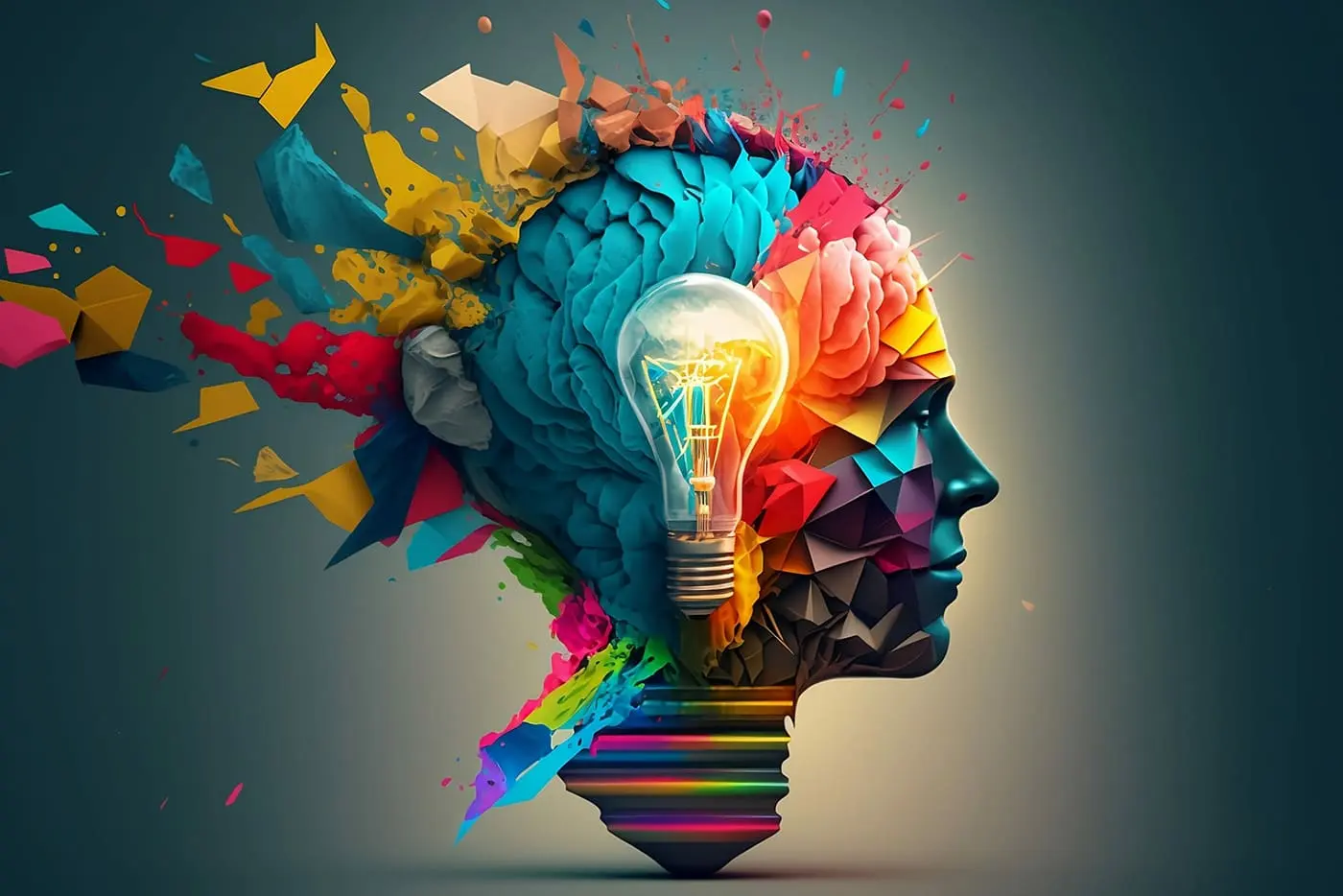
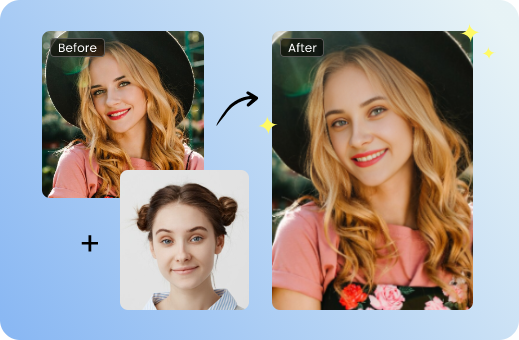
There are creative AI-powered tools that the everyday user can use. They convert text to pictures, blend centuries of styles, and offer real-time suggestions for improvement. These tools are assisting in helping people uncover ideas quicker and more easily than ever.
Still, the first photo is special. It was a time when machines entered the world of imagination. It taught us that creativity is not exclusively human—but mathematical, logical, and now, technological.
When Machines Began to Imagine
Artificial Intelligence has revolutionized many industries, but its most dramatic milestone came through art. A machine producing a visual representation was, at one point, unimaginable. And then it did—and the world was watching. AI's entry into creativity upended everything we believed we knew about art, imagination, and where human and machine converged. For decades, machines calculated, computed, and organized. But with a single artistic product, AI leapt—one step from processor to painter. It was apparent that imagination, previously the domain of emotional, intuitive human brains, could also result from patterns, information, and computer learning.
Not only was the first AI-created image a technical achievement, but also cultural. It demonstrated that more than compute, machines could create! That day altered our understanding of technology and art forever. We no longer viewed AI as a way to simply automate or analyze. It was a partner. It was no longer about programming functions—it was about creating with algorithms. Artists, scientists, and engineers were now working alongside machines in an entirely new, full-color, and boundless space.
The initial image created by AI came from a field known as neural networks. Neural networks try to mimic the workings of the human brain by processing stacks of information. In the initial tests, scientists instructed these machines to process visual data—shapes, color, movement, and style patterns. By this training, machines started to acquire a "language of the visual." They did not perceive beauty or meaning in the same way as humans, but they did see form and flow. It was the beginning of something deep: a mechanical imagination that could create entirely new content visually.
Art created by AI doesn't substitute human creativity—it mirrors it, amplifies it, and challenges us to redefine what it means to imagine
The Dreamlike First Image
Using their insight into visual patterns, AI generated an original picture. It was abstract, nearly surreal, and strangely compelling. It did not resemble a standard photograph or traditional painting, yet it had a sense of depth and emotion to it. Viewers called it creepy, alien, even emotional. How could something without emotion produce something that stirred people emotionally? This conflict generated endless fascination. The machine lacked a soul, but the image possessed one. At that moment, AI was more than a machine—it was a contributor to the creative process.
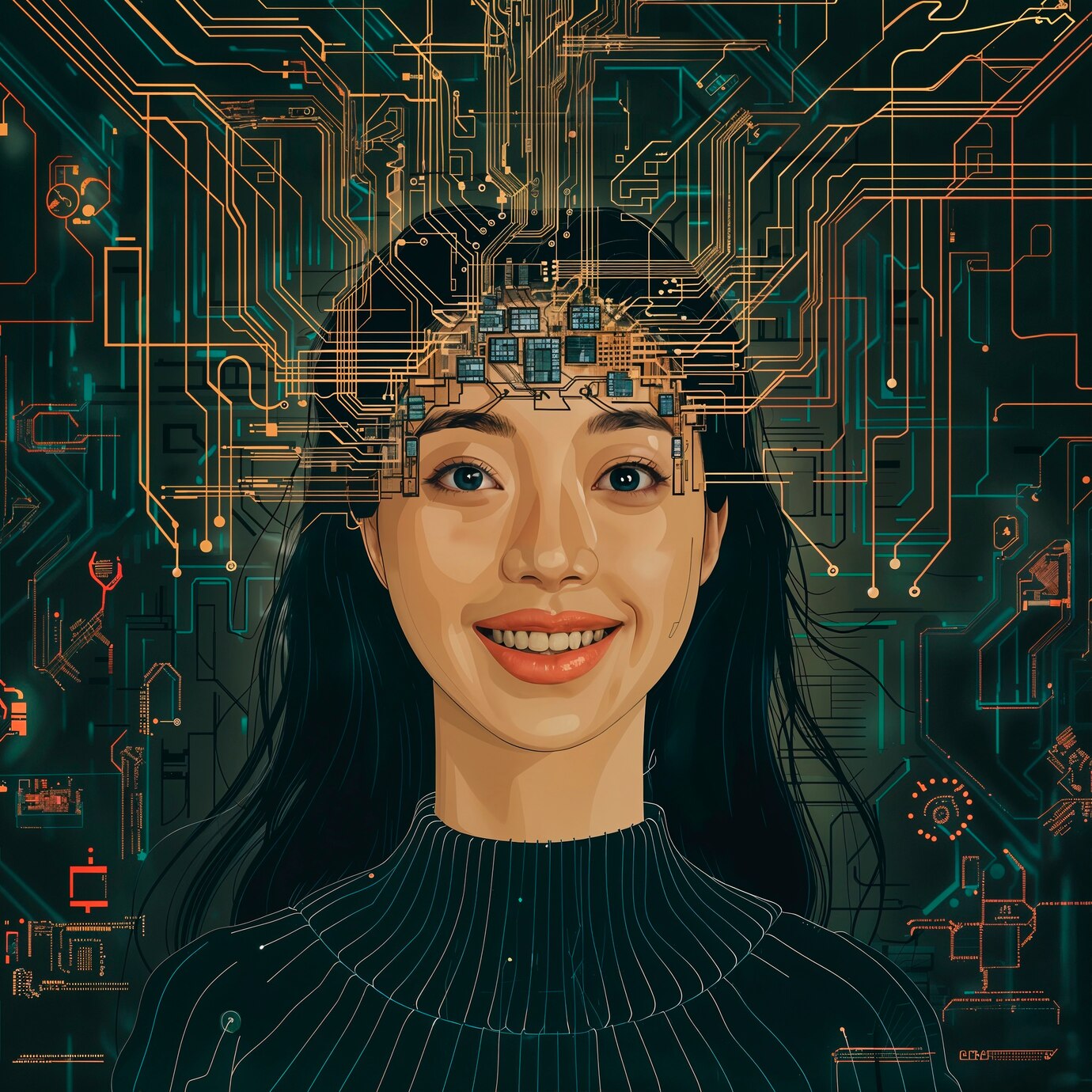
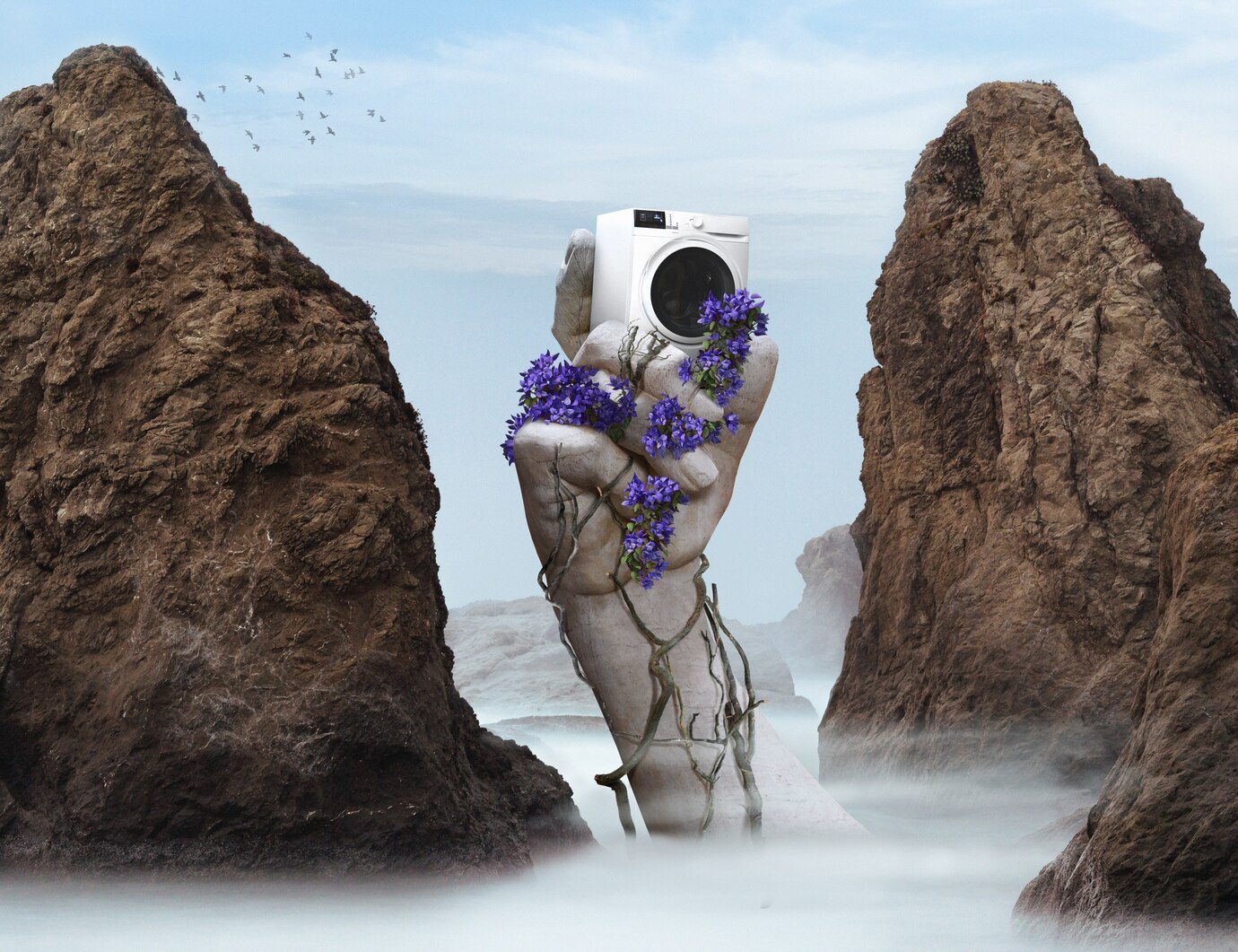
This incident sparked global conversation and discussion. It led us to ask: Can AI be an artist? Does it see beauty, or only copy it? Museums, colleges, and artistic studios started investigating the potential. Designers started playing with algorithms. Poets worked alongside bots. Musicians incorporated AI-composed melodies. What had begun as a scientific experiment had soon developed into a cultural movement. From galleries to schools, AI art was on everyone's lips—not because it was perfect, but because it was challenging. It was absolutely new, and it encouraged humans to consider our own creativity in a different way.
The first image produced by AI was not just an image—it was a reflection. A mirror reflecting back to us that machines weren't just able to analyze—but imagine. Certainly, the imagination was unlike ours. It was statistical, generative, affectless. But it was beautiful nonetheless. The creation, born of mathematics and data, spoke to human feelings. That's the magic of AI art: made without emotion, yet having the power to elicit emotion. In doing so, AI taught us that creation is not a function of biology—it's a function of pattern, understanding, and the courage to venture.
Humans and Machines Co-Create
Since that first milestone, AI has created portraits, drawn landscapes, and even produced full-fledged cinematic animations. Artists now utilize AI as a collaborative partner—providing it inputs, selecting outputs, adjusting variables. Some employ it for idea-generating, others for the end result. The partnership is astounding: human intuition influencing machine output, machine unpredictability leading human direction. This synergy has created new graphic design, fashion, cinema, architectural, and other frontiers. AI is no longer sketching images—it's creating entire visual tongues. With each brush stroke, it learns. And each image, we learn more about our creative limitations.
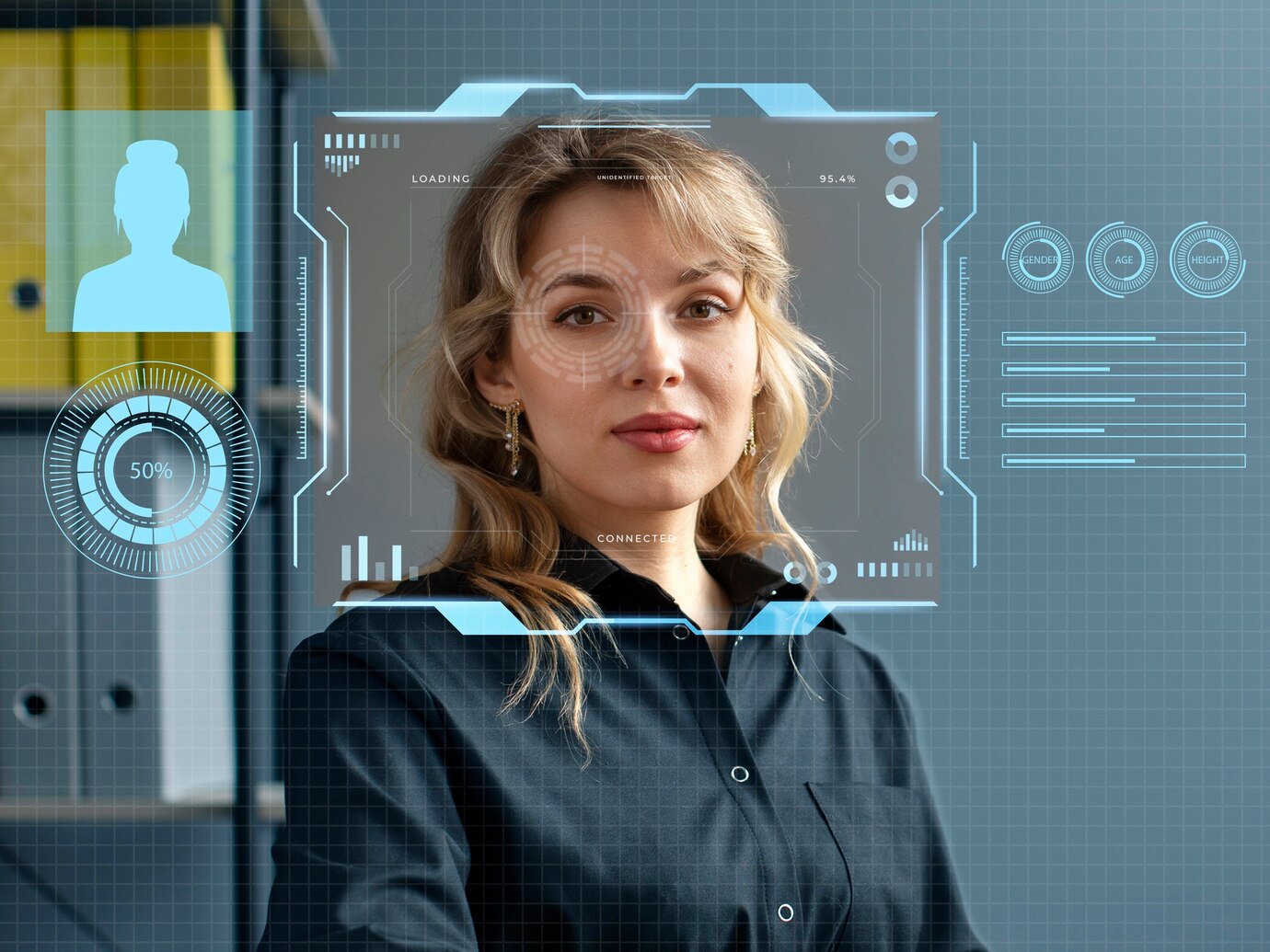
Today's creative AI tools are unexpectedly approachable. Apps and platforms now enable users to create art by writing natural language descriptions of scenes. Write "a futuristic city at sunrise in watercolor style" and see the picture come to life. Such systems rely on models trained over millions of works of art to generate high-quality images within seconds. They combine centuries of artistic inspiration—From Da Vinci to digital surrealism—into something brand-new. Used for either personal inspiration or business design, AI allows individuals to be inventive without conventional skills. Anyone, no matter the background, is now able to try as an artist.
And yet, after all the new possibilities, the original AI picture remains unique. It was a threshold—a leap from logic to artistry. It made a path for machines to engage in cultural discourse. That single picture redefined the mission of technology. No longer confined to efficiency and productivity, machines could now inspire, interpret, and contribute to beauty. And maybe even more importantly, it served as a reminder that creativity is not an unchanging thing. It emerges from new sources – from silicon, networks, and logic – but still stirs the very human core within us.
The New Visual Age Opens
What makes AI-generated art unique is not so much the final image, but the process. Unlike human artists who draw upon experience, emotion, and memory, AI draws upon huge datasets and algorithms. It does not tire. It has no personal style preference. But it can synthesize influences and produce endlessly. Each work it creates is the product of mathematical probability, guided by human prompts. In that way, AI art is a collaboration between code and curiosity. It shows us what occurs when we educate machines to "see"—and then permit them to exhibit to us what they envision.
Other critics suggest that AI art is inauthentic or lacks emotional resonance. But others think it broadens our definition of art. Art has always changed using tools: brushes, cameras, computers—and now, code. Painting didn't die with the advent of photography, and creativity won't die with the rise of AI. It will get diversified. It will raise new questions. What does originality look like in a world of created images? Who has the rights to something created by a machine? These questions don't reduce art—they enrich it, forcing us to seek out new meaning in new media.
In the future, AI-created art will only grow more advanced. We can expect AI to become a star player in entertainment, interactive narrative, and even virtual fashion. Artists could build entire universes with nothing but text prompts. Kids might create books with illustration by laying out the scenes in words. Teachers could employ AI images to instruct complicated topics. The opportunities abound, yet the essence is the same: exploration, expression, curiosity. And though machines may determine the future of art, it's the human imagination that continues to set the course. With every image generated, we write a new chapter in a very modern creative revolution.