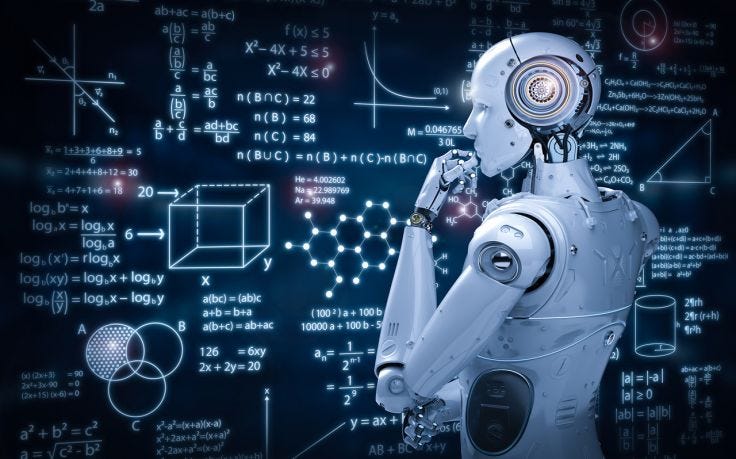

Artificial Intelligence has progressed from a figment of fiction to a global exploration. The hayday of the first question Can machines think? has shifted to a worldwide journey of discovery and exploration. The tale of AI is a story of ideas, innovation, and change.
The first thoughts of thinking machines originated well before computers came into existence. Philosophers, mathematicians, and inventors all pondered whether human thought could be replicated logically through design. These early curiosities spawned one of the coolest fields in all Science.
From Imagination to Reality
In the 1950s the formal study of AI began as scientists started with building machines that could replicate human reasoning's thinking. They created programs to solve math problems, play games, and learn patterns through data. Although these original systems were simplistic by today's standards, they spurred excellent ideas.
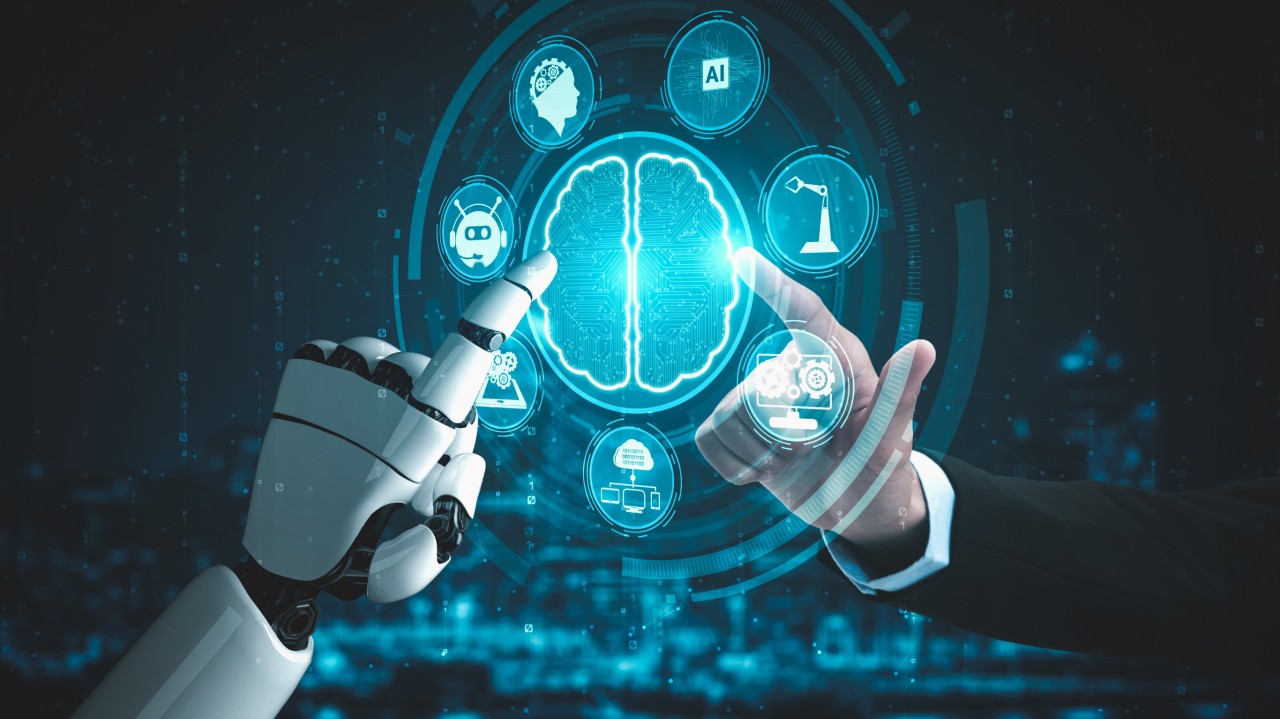
In the many decades since, AI has seen many ups and downs. Early breakthroughs were stalled because of a lack of data and processing power, then as the internet and new computer systems emerged the interest in AI returned stronger than ever. New developments in machine learning and new data analytic learning have transformed the landscape.
By the 2000s, AI was no longer only for laboratories. It started coming into homes, phones, and internet services. Voice helpers, intelligent suggestions, and self-learning systems became a normal part of life. AI began learning not just what individuals do, but also how they think and feel.
AI history isn't merely the tale of machines learning to think, it is the tale of people learning to imagine the impossible
The Road Ahead Built on the Past
Knowledge of AI history aids us in creating a better future. Reminding us that progress exists in waves, and that every triumph is founded on previous attempts, it encourages us to learn from the past.Every functioning system today rests upon the shoulders of decades of study and foresight.
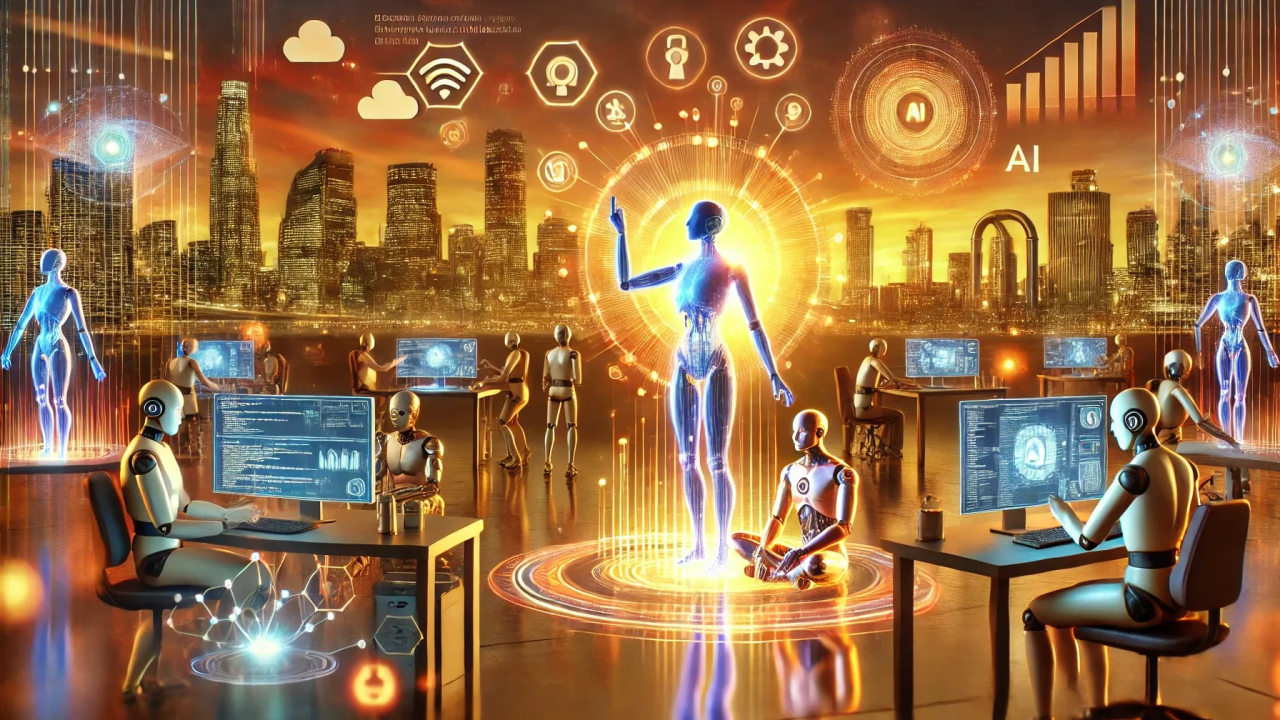
The history of AI also teaches responsibility. History reveals the potential for human intention, both positive and negative. As we create new tools, we need to keep in mind the effect that they have on privacy, fairness, and society.Rights now look to the past to find inspiration and to the future to overcome new challenges. The vision is not merely more intelligent machines, but a better life for all humanity. The story of AI is far from finished—it is continuing to be written with every new advancement.
AI began with questions and goes on with intent. As we seek out its promise, we pay tribute to the minds that set out the journey and the promise yet to come.
The Birth of Artificial Intelligence
Artificial Intelligence has evolved from a product of fantasy to a worldwide quest. The golden age of the original query—*Can machines think? *—has evolved into an international adventure of exploration and experimentation. The history of AI is a chronicle of conceptions, inventions, and ongoing evolution. From myths of artificial creatures in ancient times to 21st-century virtual assistants, the vision of clever machines has enthralled generations.
As modern AI becomes increasingly sophisticated and accessible, its ancestry remains a reminder of the inspiration that continues to propel it forward--vision, curiosity, and persistence. The initial musings about thinking machines date back long before there were computers. Philosophers, mathematicians, and inventors all wondered if human thought could be demonstrated logically through design. These initial curiosities gave birth to one of the most captivating areas in all of science. Ancient civilizations' mechanical automata foreshadowed the potential, and Enlightenment minds envisioned logic-powered machines. This groundwork provided the intellectual foundation that would eventually become artificial intelligence.
It wasn't coding yet—it was pondering the very nature of thought, intelligence, and the gap (or union) between man and machine. During the 1950s, formal research into AI started as scientists began constructing machines that could simulate human reasoning processes. They developed programs to solve mathematical problems, play games, and learn patterns from data. While these initial systems are simplistic by current standards, they gave rise to great ideas. These advances carried AI away from philosophy into scientific practice. Visionaries such as Alan Turing, John McCarthy, and Marvin Minsky led the way in this new discipline. Their initial questions—*Can machines learn?
Artificial Intelligence began not with machines but with dreams and those dreams continue to shape our reality
The Rise, Fall and Rise Again
In the many decades since, AI has seen both rapid advancement and occasional decline. Early breakthroughs were often stalled due to limitations in data storage, computational power, and software architecture. AI’s early promise created high expectations, but when those systems fell short, funding and support waned. Known as the “AI Winters,” these periods were marked by disillusionment. Yet behind the scenes, researchers quietly continued.Can machines create problem-solving? continue to inform AI research today, reminding us that even humble tools can create boundless thought
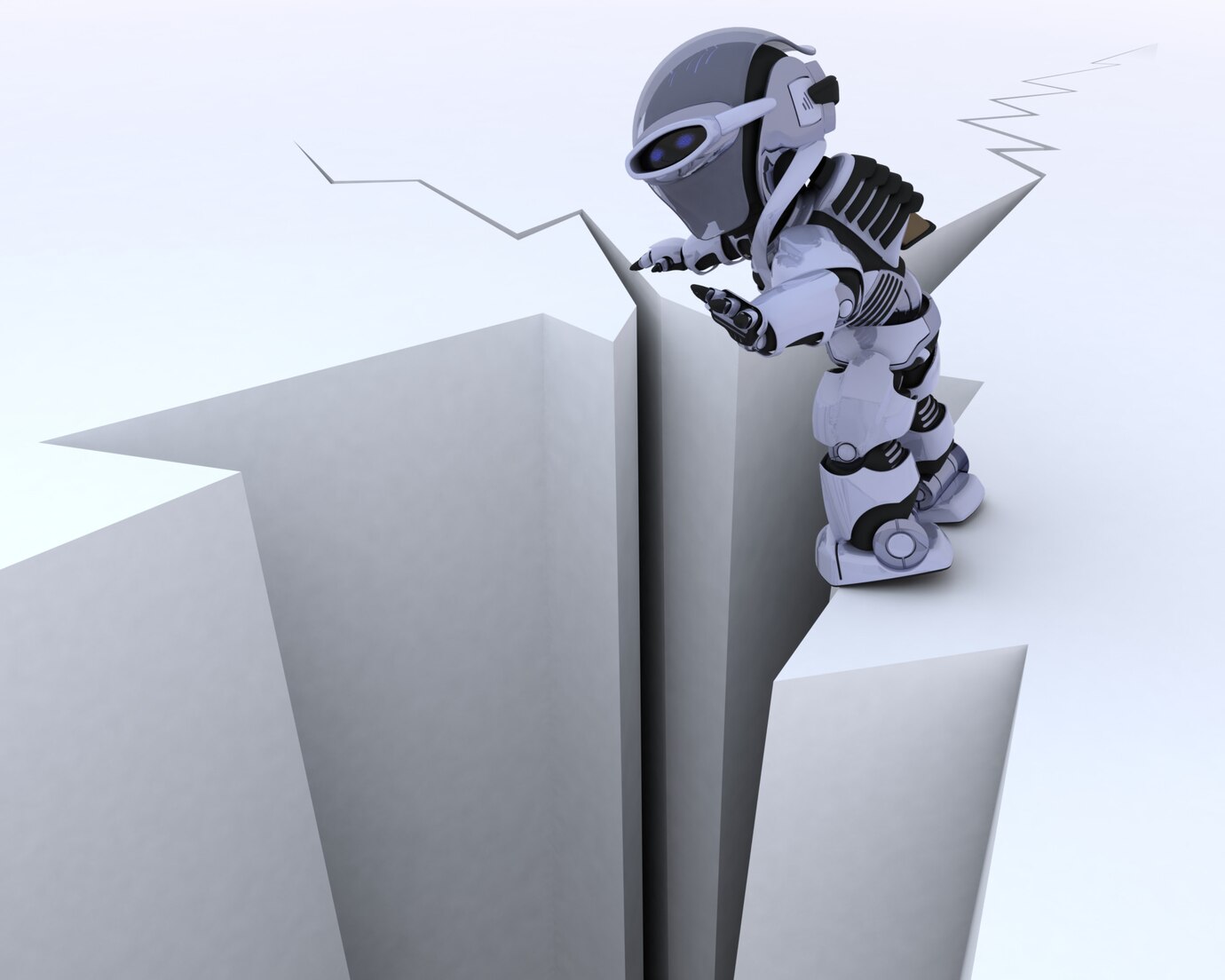

As the internet burst and hardware capabilities improved, the resources required to bring back AI became available. Machine learning algorithms, big data, and cloud computing made a renaissance for AI possible, enabling it to surpass its initial goals. By the 2000s, AI was no longer limited to laboratories or academia. It started showing up in homes, phones, and common digital platforms. Voice assistants, intelligent recommendation systems, and self-improving algorithms became a part of our daily lives. AI systems started observing human behavior and learning in real-time to our habits, likes, and even feelings.
From auto-correct to tailored music suggestions, the integration of AI into everyday life was almost unnoticeable. This expanding presence was not merely a technological advance—this was the dawn of the cultural normalization of AI, where even laypeople started interacting with smart machines without knowing the extent of what powered them. AI history is not simply the story of machines learning to think—AI history is the story of humans learning to dream beyond what they can currently conceive. Every major breakthrough mirrors a further understanding of intelligence itself. Whether they're replicating neural networks, creating learning models, or crafting cognitive systems, scientists are continually expanding the possibilities.
Our journey into AI isn't merely about programming better software; it's about investigating the essence of intelligence, behavior, creativity, and even ethics.
The Wisdom of Looking Back
The technology itself is artificial, but the curiosity, struggle, and aspiration that drives it are very human. Understanding AI history helps us make a better future. It reminds us that there is progress in waves and that all success relies on previous efforts and even failures. From symbolic thinking to deep learning, every stage of AI has provided lessons. Understanding the past informs today's developers to make sound, ethical choices.
For instance, early errors in bias and misrepresentation in AI data provide crucial lessons for current systems. The more we learn about where AI has been, the more prudently we can determine where we wish it to be headed—and for whom. The history of AI also instills responsibility. History shows the effect of human intent—both creative and destructive. As we develop new tools, we need to be mindful of the impact they will have on privacy, equity, work, and human connection. Ethical design is no longer voluntary; it is a requirement.
We need to learn from past surveillance abuse or algorithmic bias and bring those lessons actively to bear. The conversation needs to move beyond a mere "what can AI do?" to "what should AI do? " By doing so, we guarantee that our progress is shaped by our values, not only our desire for speed and strength. Rights cast a backward glance to seek inspiration and a forward look to address new challenges. The purpose is not more clever machines, but a better world and a more just one. This vision requires AI for all people—not corporations or governments.".
It must guard privacy, facilitate access, and foster creativity.
The Continuing Path of Imagination
The future of AI will not be gauged by how intelligent it is, but by its ability to enhance human dignity. We can only overcome this challenge by continuing to think, adapt and evolve. The road ahead is long, but each step can lead toward common good. AI started from asking questions and continues with purpose. Every discovery opens a dozen more doors. Researchers explore AI in medicine, language, education, space travel, and creative arts. This isn’t just technical work—it’s collaborative. Artists, psychologists, ethicists, and programmers must work together. The most exciting part of AI’s journey is its ability to touch every field, from agriculture to therapy.

And every application poses its own questions: How should AI act? Who should it serve? What should it never do? These are the questions that identify responsible innovation. The history of AI is hardly complete—it is still being written with each new algorithm, discovery, and public discussion. In contrast to previous technologies, AI not only develops in laboratories but also in people's perceptions. Headlines in the news, movies, classroom discussions, and social media all play a part in what society perceives about this tool.
As people become more aware, so does the need for transparency, fairness, and accessibility. Today, individuals are no longer merely passive consumers—they are educated participants in the continual construction of AI. This kind of democratic consciousness is a strong force. It provides society with the opportunity to not only influence what AI does, but what AI turns out to be. Ultimately, AI is not merely a question of machines, but a reflection on humanity.
It reflects our goals, biases, hopes, and fears.
How we develop and deploy AI tells a story about who we are and what we value.undefinedThat’s why the history of AI matters—it reminds us that our technological decisions are moral ones, and our future is shaped not just by what we invent, but by why we invent it. As long as we continue to pose the correct questions, AI will continue to provide new responses.