

AI is not just getting smarter; it is getting more human. Current-day AI systems are designed to appreciate human interests, communicate naturally and understand human emotional expressions. This evolution is making technology more intuitive and secure.
From voice assistants, to customer service chatbots, AI can learn to emulate more human-like behaviors. With this dimension of AI, it is not just about performance, it is about establishing a relationship, developing trust and comfort between a human person and a machine.
Understanding and Responding Like a Friend
AI tools are getting better at reading emotional information in a voice, in a text, and even facially. Acknowledging emotional data supports a response that conveys care and attention, rather than just providing an answer. For example, if a person sounds sad, an voice assistant can naturally lower its tone of voice, or give mentoring help in a gentler manner.
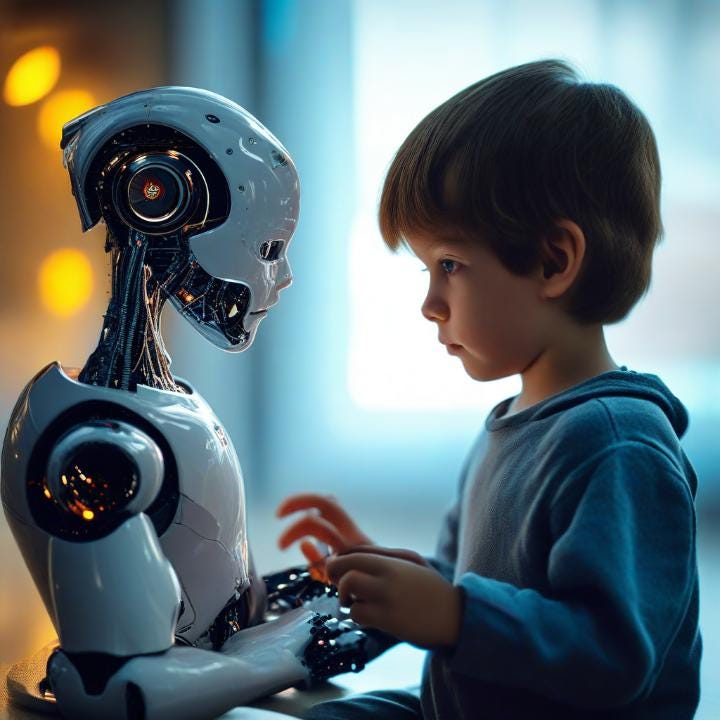

Customer service chatbots are being specifically trained to be polite, patient and helpful. They are also trained to use discourse that sounds and feels natural to humans, and they are also trained to be attentive to any feedback posed to them by a user. This makes for more seamless conversational engagement that feels more personal and respectful.
In homes, AI is supporting elderly and disabled individuals with independent living and activities of daily livings (ADLs). AI in these situations were designed to be simple to use, and being kind, and responsive. AI speaks clearly, they acknowledge daily routines, and remind you with a friendly tone and context.
Real advances in AI are not in the speed it learns, but in how it can comprehend the humans it is serving
Kindness in Code and Design
In order to be completely human friendly, AI needs to be built with empathy as its foundation. This involves considering the needs of users of all abilities, cultures, and ages. From visual designs to voice settings, every aspect needs to be created with people in mind.
Education systems are applying AI that motivates students rather than simply correcting them. These technologies provide thoughtful nudges and praise effort rather than perfect outcomes. This instills confidence and makes learning more pleasant.
In mental health, AI chat systems provide assistance in times of distress or depression. Although they do not take the place of therapists, they allow for talking and listening. With a warm tone and empathetic responses, people feel less isolated.
Human-friendly AI is not aloof or remote. It is warm, courteous, and welcoming. Going forward, this kind of AI will be the one that works best in our lives and assists us in meaningful ways.
The Rise of Emotionally Intelligent AI
AI is not just getting smarter; it is getting more human. Current-day AI systems are designed to appreciate human interests, communicate naturally and understand human emotional expressions. This evolution is making technology more intuitive and secure. As we integrate more AI tools into our daily lives—from mobile phones to smart homes—we expect those systems to not just respond, but to understand. This transition is imperative in helping us build an ecosystem where human and machine exist in harmony. When AI understands emotions, not only data, it is a more practical, relatable, and credible presence in our living and working spaces.
From voice assistants to customer service chatbots, AI can train itself to mimic more humanlike actions. With this aspect of AI, it is not performance alone—it is building a relationship, forging trust, and bringing comfort between a human and a machine. Voice inflection, pausing naturally, pacing in conversation, and the techniques of active listening are being instructed to machines so that they can empathize more. The more organic the experience, the higher the chances for people to keep using these systems. This creates greater use of AI-driven interfaces in customer service, education, healthcare, and even domestic companionship.
AI technologies are improving to recognize emotional information in a voice, in a text, and even on a face. Recognizing emotional data enables a response to express care and attention, as opposed to giving an answer. For instance, if someone is sounded sad, a voice assistant can automatically drop its voice tone or provide guidance assistance in a softer tone. Such emotional responsiveness makes AI less robotic and more attuned. It's not merely a tool; it becomes a helpful presence. Emotional intelligence is necessary for AI to be an active partner rather than a tool.
Emotionally intelligent AI is not about substituting for emotions it's about acknowledging them in order to establish trust, empathy and rapport between humans and machines
AI as a Thoughtful Companion
Customer support chatbots are being specially trained to be courteous, patient, and cooperative. They are also taught to employ language that sounds and feels like human language, and to be responsive to any feedback questioned to them by a user. This is more fluid conversational interaction that is warmer and more respectful. Robotic scripts are no longer in use. Modern AI is now capable of asking questions for clarification, expressing empathy for frustrations, and even recommending breaks or alternatives when it detects tension in users. These so-called minor capabilities bring huge leaps in user satisfaction, loyalty, and brand perception in service industries across the globe.
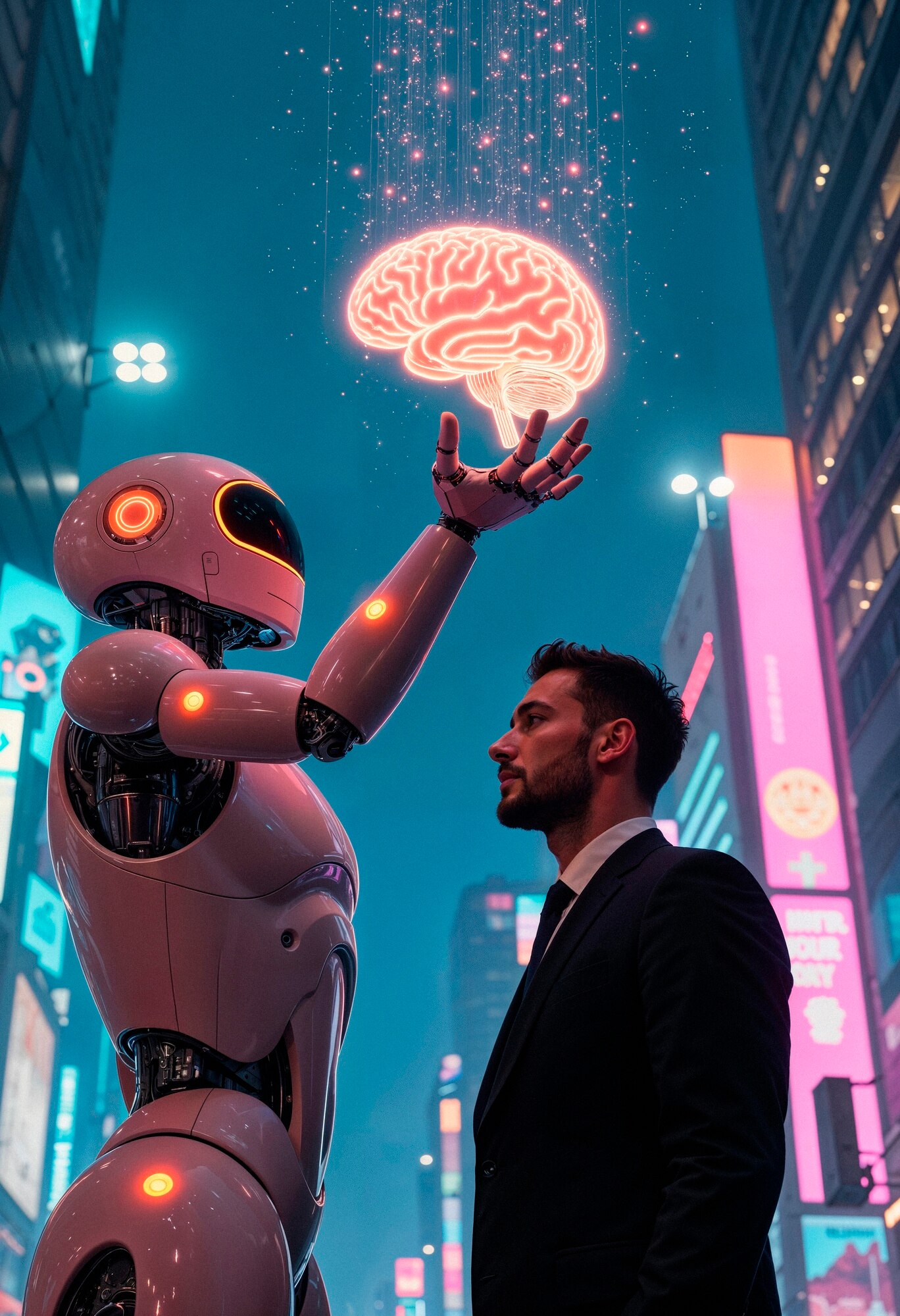
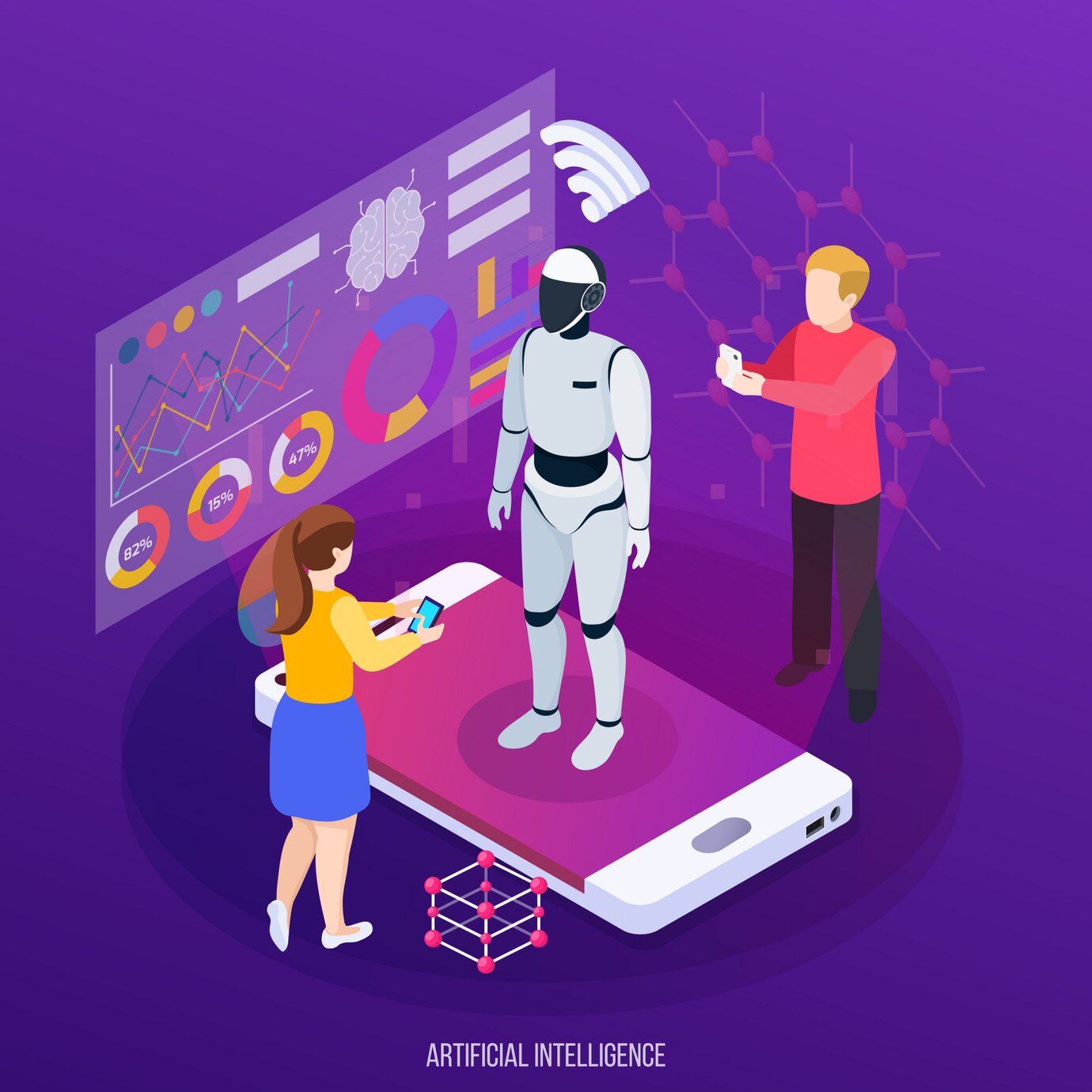
In domestic settings, AI is also assisting disabled and elderly people with daily livings and activities of daily livings (ADLs). AI here is intended to be easy to use, compassionate, and sensitive. These systems don't merely react—remembering habits, telling what they say, and understanding context as a thoughtful companion. For a person who has memory loss, say, an AI that reminds them to take medicine or have lunch in a gentle voice can be a lifesaving helper. AI no longer is a device—it is a trusted helper that's always within reach and never gets impatient or distracted.
The true breakthroughs in AI are not in how quickly it learns, but how it can understand the humans that it's helping. This understanding is more than knowing commands—it is about seeing nuances such as tone, urgency, or frustration. Whether an AI is helpful or infuriating usually hangs on this understanding. Those systems that listen, adapt, and respond with elegance will earn long-term user trust. As individuals become more open to AI tools in their lives, emotional intelligence will be the characteristic of success. Responsiveness with respect is the new standard for smart technology.
Creating Empathetic Systems
To be fully human-friendly, AI must be constructed with empathy at its core. This means keeping in mind users of all disabilities, cultures, and ages. From visual design to voice settings, everything must be designed with people in mind. Accessible AI must provide large text, color adjustability, clear voices, and clear language. It also needs to be able to adapt to emotional states or cultural sensitivities. Empathy-based design results in systems that bring more people into the digital world. Indeed, inclusion and diversity in developing AI is key if we want to build truly universal technology.
Educational systems are implementing AI that encourages students rather than merely correcting them. These technologies give considerate nudges and reward effort over flawless results. This is confidence-building and makes learning more enjoyable. Students are more likely to respond, attempt again after errors, and get better over time when they get empathetic feedback. Intelligent tutors now realize that tone and wording are important. Instead of a simple "wrong answer," an AI would say, "Great try! Want to think it over again?
These subtle differences make a huge difference in morale, particularly for struggling or young learners who hunger for reassurance and help. In mental well being, AI chat systems are the help that people need when they are distressed or depressed. While they never replace therapists, they enable talking and listening. With supportive tone and understanding responses, individuals feel more connected. These systems can provide grounding strategies, affirmations, or suggestions for accessing professional services. Particularly in regions where mental health services are scarce, AI emerges as a bridge—not a replacement, but an ally. The idea that it listens without judgment at any time provides individuals with a feeling of security.
These tools are not fixing everything, but they are cushioning difficult times.
The Human Centered Future of AI
Human-friendly AI is not cold and distant. It is friendly, polite, and warm. In the future, this type of AI will be the one that best serves in our lives and helps us meaningfully. As more AI technologies come into homes, schools, hospitals, and workplaces, emotional sensitivity will be an absolute requirement. The AI we bring into our environments must show empathy, understanding, and patience. It should respond to our mood, not disregard it.
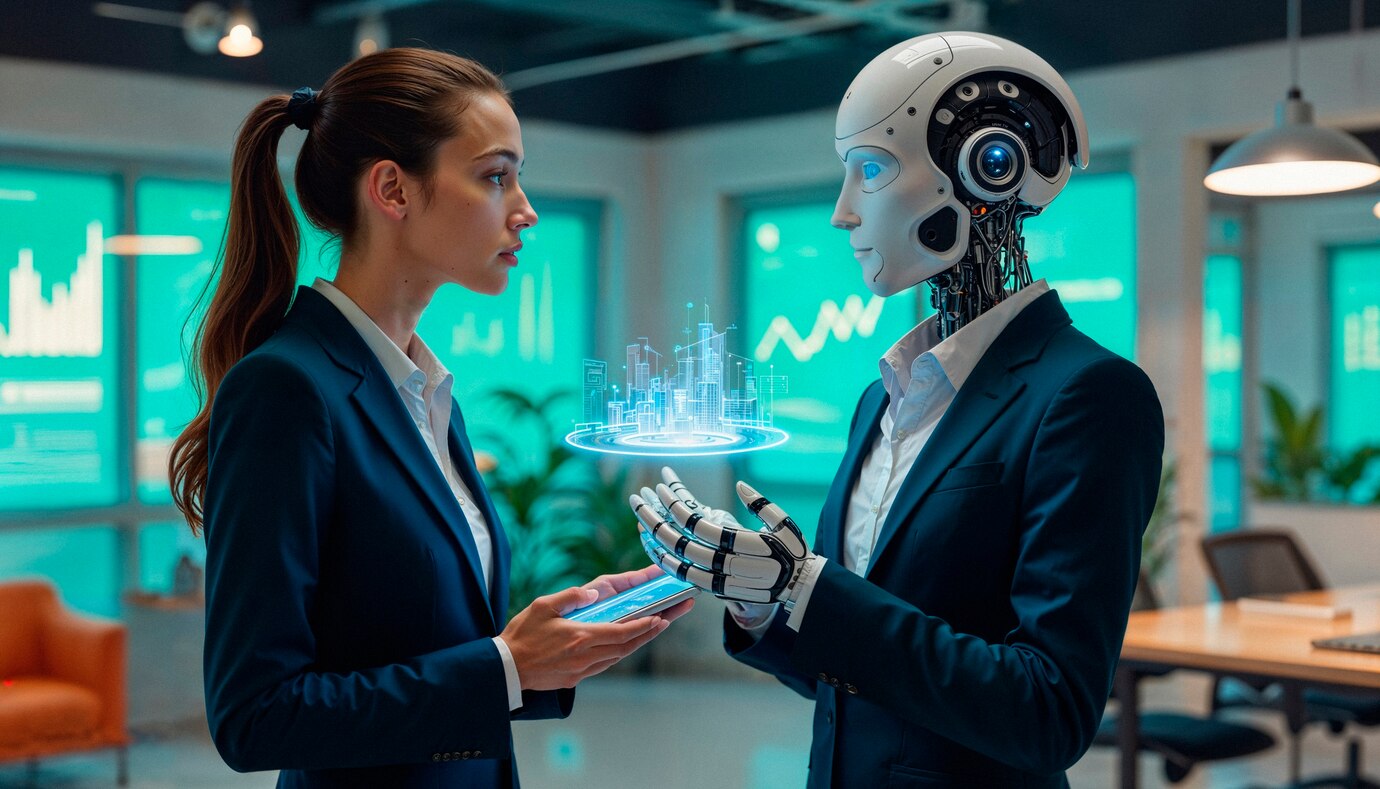
The future won't belong to the coldest or the fastest AI—it will belong to the most empathetic, useful, and emotionally intelligent systems that operate on behalf of people with heart. The more advanced AI becomes, the more it must have the values of society. Systems that are fair, understanding, patient, and empathetic will be embraced; those that don't see human emotion will be resisted. The next wave of innovation is not merely technological—it is emotional and ethical. The developers need to involve psychologists, educators, and sociologists in the process of designing so that AI lives up to human dignity.
When we create AI with the intention of comprehending humanity, we create a technology that deserves a home in our lives, not merely within our devices. Emotionally intelligent AI will also alter how we treat each other. As humans engage with compassionate, thoughtful technology, demands for empathy between humans may increase too. The trickle-down effect of emotionally smart machines could be a more empathetic, patient workplace and society. If our tools exhibit listening, patience, and helpfulness, we might begin to see ourselves model it too. In this way, AI does not just assist humans in the tasks at hand but can contribute to raising the emotional quality of the environments we live and work in.
It is a deep often missed opportunity for a better future