
Artificial Intelligence is more than just another technology—it is a muse. A muse challenges how we think of ourselves, our capabilities, and what exists as possible outside of humankind. AI is catalyzing a moment of both creative and intellectual revolution, and I know this is true in the arts, science, and beyond.
On a daily basis, we are seeing machines generate music, create poetic language, and generate visual art. These activities are not cold calculations made by machines but are interactions with an intent from human beings and a capacity leveraged by machines. The idea that inspiration can be derived both from circuitry as well as the soul is showing us one facet of the companion power of AI.
When Machines Spark Imagination
In learning environments, AI is reshaping the nature of learning for students and how they dream. Students are now learning with help from personal tutors that guide them through complex topics with support and individualized explanations. This now empowers all students from various cultural perspectives and personal journeys to free their potential to learn in ways that were not readily accessible to them prior.
Artist are looking to AI to find new sources of inspiration for their work. Painters are using neural networks to experiment with colours and forms, with ai programs creating entire compositions for musicians. Again, these tools are not here to replace creativity; these tools expand creativity and allow individuals to find new ways of seeing the world.
AI is also expanding the frontiers of scientific discovery. Machines learning from vast amounts of data are creating new hypotheses and solutions in such areas as climate science, medicine, and physics. They are not only speeding discovery—increasingly, they are transforming how discovery occurs.
AI isn't about machines thinking like humans. It's about challenging humans to think differently than we ever thought possible.
A New Kind of Collaboration
The real brilliance of AI is that it gets to collaborate. In architecture, it assists designers in imagining greener cities. In engineering, it solves problems that previously took years to crack. With collaborative intelligence, such ideas can be opened up that are just out of reach.
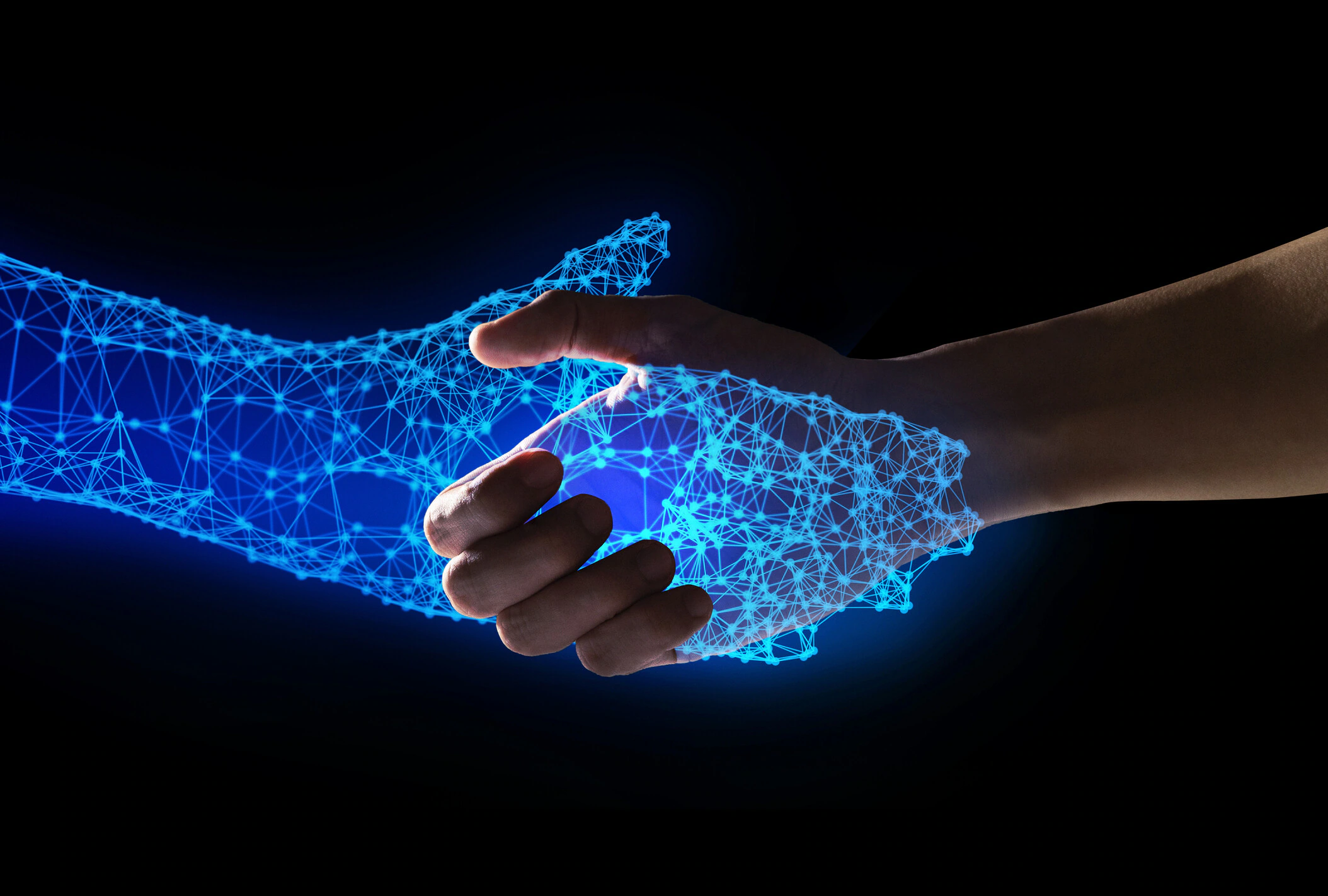
But responsibility comes with such potential. Inspiration should be controlled by intent. We need to ensure that what we author with AI is infused with empathy, justice, and wisdom. Then alone can technology become a force to elevate all of humanity.
AI reminds us that inspiration is not the sole province of poets or inventors—but that it can be discovered in code, data, and collaboration. It will be constructed in the future not only with tools, but with vision, backbone, and common purpose.
AI as a Muse of Modern Possibility
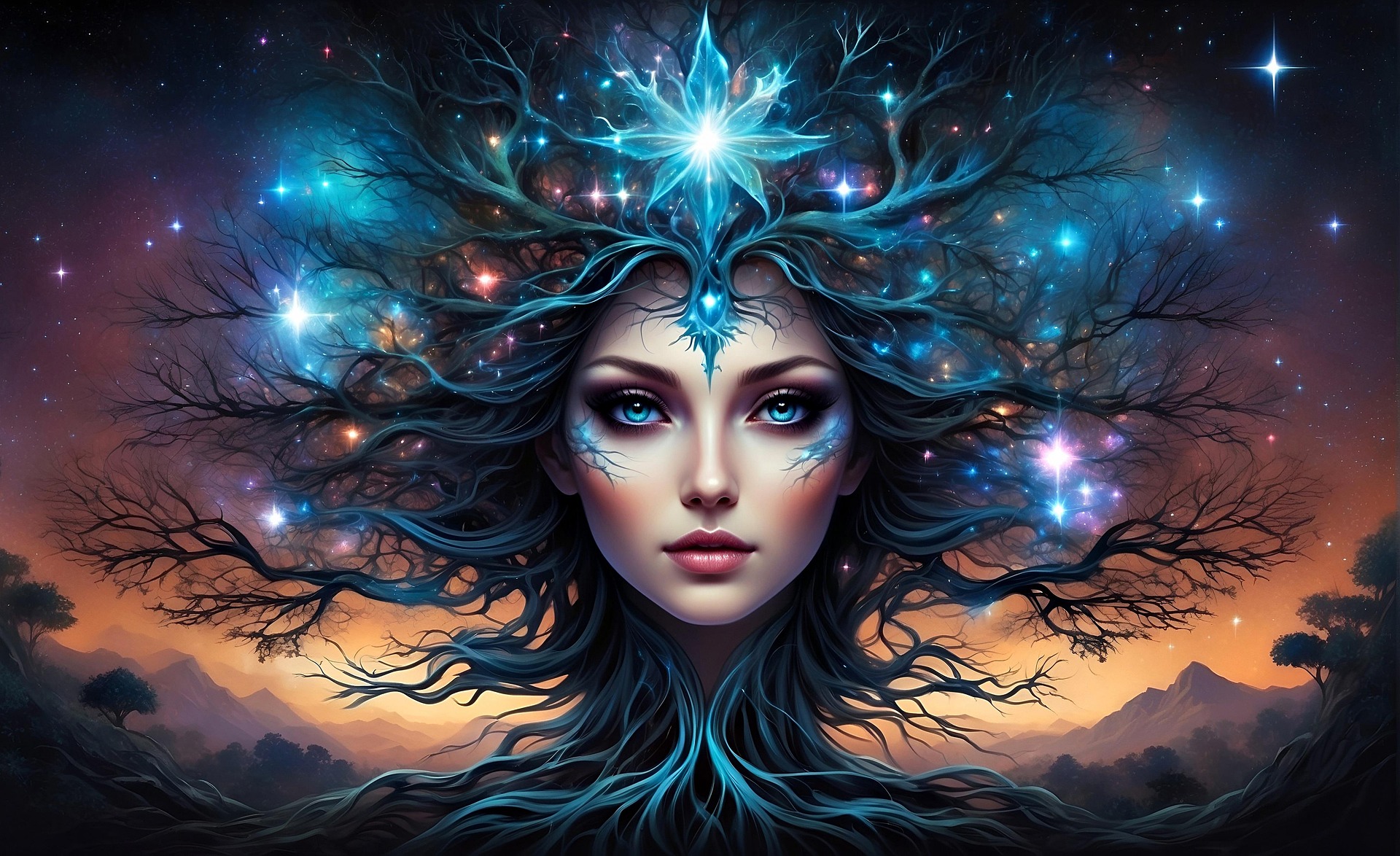
Artificial Intelligence is not merely another technology—it is a muse. A muse provokes a rethink of ourselves, our potential, and what lies beyond human existence as possible. AI is triggering an era of both creative and intellectual revolution, and I know this is absolutely the case in the arts, in science, and elsewhere. The question age-old—is what human? —becoming a new question: what can human-machine collaboration produce?
This muse does not whisper divine inspiration it acts quietly with data, algorithms, and reason to resurrect imagination across fields. Every day, we are watching machines create music, compose poetic language, and create visual art. These actions are not calculated cold moves by machines but are exchanges with an intention from human beings and a capability used by machines. The notion that inspiration can be gleaned both from circuitry as well as from the soul is teaching us one aspect of the companion power of AI.
Artists, programmers, and researchers alike are all working with systems no longer as inert objects but as active co-creators, each contributing something new to the equation: vision, interpretation, and form. AI is transforming the nature of learning for students and the ways they dream in education settings. Learners are now studying through assistance from personal tutors that tutor them through difficult subjects with guidance and one-on-one explanation. This then enables all learners from diverse cultural backgrounds and individual experiences to unleash their potential to learn in ways that were previously not easily available to them.
These customized learning resources eliminate obstacles that once divided learners by geography, income, or language—opening education into a globally accessible experience.
Artificial Intelligence doesn't kill creativity it multiplies it
Redefining the Canvas of Creativity
Creativity in art now comes from AI, as artists are turning to AI to access new inspiration for their craft. Painters are employing neural networks to play around with colors and shapes, while AI software generates entire works for composers. Once again, these tools aren't there to substitute for creativity; these tools augment creativity and help people discover new methods of perceiving the world. Some artists allow AI to re-imagine their drawings into vibrant canvases. Choreographers employ motion-capture algorithms to create choreography heretofore unseen. Filmmakers, too, are testing AI in scriptwriting and cinematic conception.
Creative expression is no longer limited by what the hand can create—it's motivated by what the mind can conceive. AI is also pushing the boundaries of scientific exploration. Machines learning from oceans of data are generating new hypotheses and solutions in fields ranging from climate science and medicine to physics. They are not just accelerating discovery—but more and more, they are reshaping how discovery is made. In pharma research, AI examines compound structures in hours it would have taken decades to develop. In astronomy, it sifts through signals from far-off galaxies to identify anomalies. By changing the approach, AI accelerates not just breakthrough velocity but also quality and global impact.
Science is not merely watched—it is algorithmically predicted and smartly directed. AI is not about machines thinking like us. AI is about pushing humans to think in ways we never thought we could. By changing the way we think about a problem or creative challenge, AI is not just a tool—it is an idea partner. Authors are writing books with machine input; architects are employing generative design to create dozens of designs based on a single prompt. The creator's role is evolving from sole author to empowered conductor, guiding possibilities in concert with algorithms.
What results from this convergence is not artificial but a new intelligence—collective, exploratory, and very human.
Collaboration Beyond Code
The actual genius of AI is that it gets to collaborate. It helps designers envision greener cities in architecture. It cracks problems that once took years to solve in engineering. With collective intelligence, these ideas can be unlocked that are just beyond reach. It's not automation; it's augmentation. Clean energy teams can now model outcomes with enormous accuracy. Public infrastructure planners can model designs for accessibility and inclusion. This collaborative approach enables more inclusive problem-solving—industry, languages, even generations.
AI is calling us to think in concert, not only faster, but wider. But power brings with it such promise. Intent needs to control inspiration. We must take care that what we write with AI is filled with empathy, justice, and wisdom. Then and only then can technology be a force for lifting all of humanity. There needs to be guardrails not to constrain innovation, but to ensure alignment with human dignity. Ethical principles, data sets without bias, and cultural sensitivity have to be ingrained in the process. AI must serve humanity, not exploit it.
Our creations reflect our intentions, and in AI, those intentions must reflect our highest values—compassion, curiosity, and collective good. AI reminds us that inspiration is not the sole province of poets or inventors but that it can be discovered in code, data, and collaboration. It will be constructed in the future not only with tools, but with vision, backbone, and common purpose. The real muse in AI is not the machine, but what we decide to create with it.
And when we create with intelligence, care, and in solidarity, the distinction between man-made and machine-enabled dissipates into a collaborative creative future.
AI in the Hands of Every Day Dreamers
The genius of AI is that it democratizes inspiration. You no longer need to be a skilled coder or a renowned artist to work with it. With simple tools, any person with a voice, a question, or an idea can build, create, and learn. A villager child can now create stories using AI-based storytelling software. A small business owner can craft beautiful logos or strategize marketing campaigns with AI assistants. This openness creates a renaissance of thought from individuals who were previously shut out of the creative dialogue.
AI is a collaborator in dreaming and doing. In medicine, AI is being employed by general practitioners, nurses, and medical students to enhance diagnosis precision and treatment strategies. It works not only for the specialized researchers but for frontline health caregivers. This openness is central—not only in who has access to AI, but to whom it is serving. The farmer, the small business owner, the teacher, the student—they're all being impacted by AI-powered solutions that speak to their specific realities. AI, when democratized, does not multiply advantage—it closes divides.
The muse is the messenger now, carrying innovation from boardrooms into everyday life, driving change not only at scale but at the people level. AI can even make us look inward. From AI-driven mental health apps that induce journaling, to mood maps using images, machines can prod us toward introspection. They are no replacements for profound human contact but supplements—soft mirrors to get us to observe our feelings, choices, and behaviours more vividly. Inspiration, after all, typically comes from within. By challenging us to have improved questions, AI may assist us in interpreting our needs, aspirations, and walls.
It's not only a muse for the outside world—it's becoming one for the inside world too.
Toward a More Inspired Tomorrow
The future of AI won't be constructed just by engineers. It will be designed by teachers, farmers, teens, and seniors—individuals who dream up new solutions to problems with this smart collaborator. AI will become embedded in tales, remedies, and even spirituality. It will make industries better, but it will also make imaginations better. And at the center of it all will be a question not of what can AI do—but what we should do with AI. We are co-authors in this story.
And if written with wisdom, its chapters will resonate with imagination, justice and human decency.